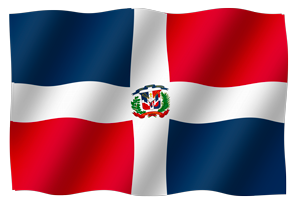
There is a beautiful waterfront in Santo Domingo overlooking the Caribbean Sea. It is called the Malecón. Back in 1924, Dominican engineer Arístides García Mella first drew its outline on a map. Construction began in 1931 during the Trujillo era. At first, the work was carried out by prisoners, who cleared the rocky shoreline with machetes and axes… In 1936, the waterfront was officially inaugurated. Today, the Malecón stretches for about 15 kilometers.
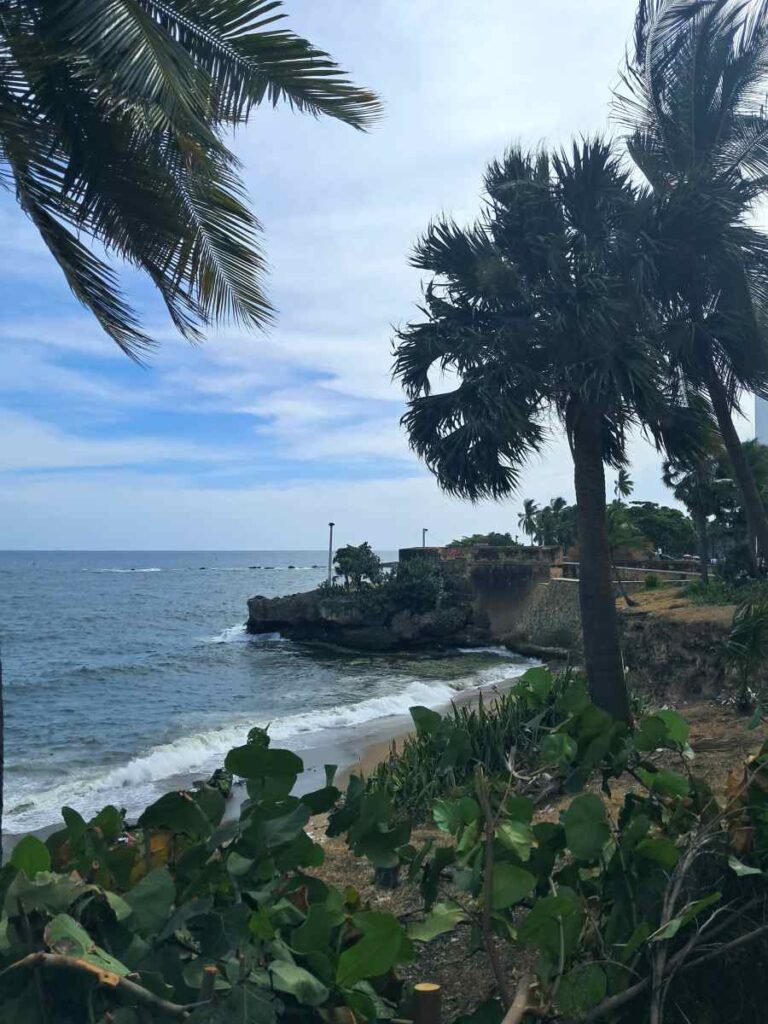
The Malecón is both the city’s waterfront and Avenida George Washington. Here the Caribbean waves crash against picturesque coastal cliffs, breaking into sparkling white fans of spray. Graceful palm trees sway gently in the ocean breeze. The shoreline twists and curves in fascinating ways. Coral cliffs, tiny coves, green grass, and shimmering sunlight dancing on the water make this one of the city’s most beautiful seaside landscapes.
Not far offshore, enormous cruise ships and cargo vessels can often be seen at anchor. It is hard to imagine how the water is deep enough for them. Sometimes they appear to be moored just beyond the palm trees, almost in the surf itself.
The sight becomes especially spectacular at dusk. Their decks glow with thousands of lights. These floating giants are as large as apartment buildings and about as bulky as your great-grandmother’s antique wardrobe… Yet illuminated against the evening sky, they somehow seem almost weightless, like clusters of stars drifting through the Milky Way.
After resting for a while, they let out long, unforgettable whistles that echo across the bay before quietly sailing away. The commercial and cruise ports are nearby, so they are probably heading there.
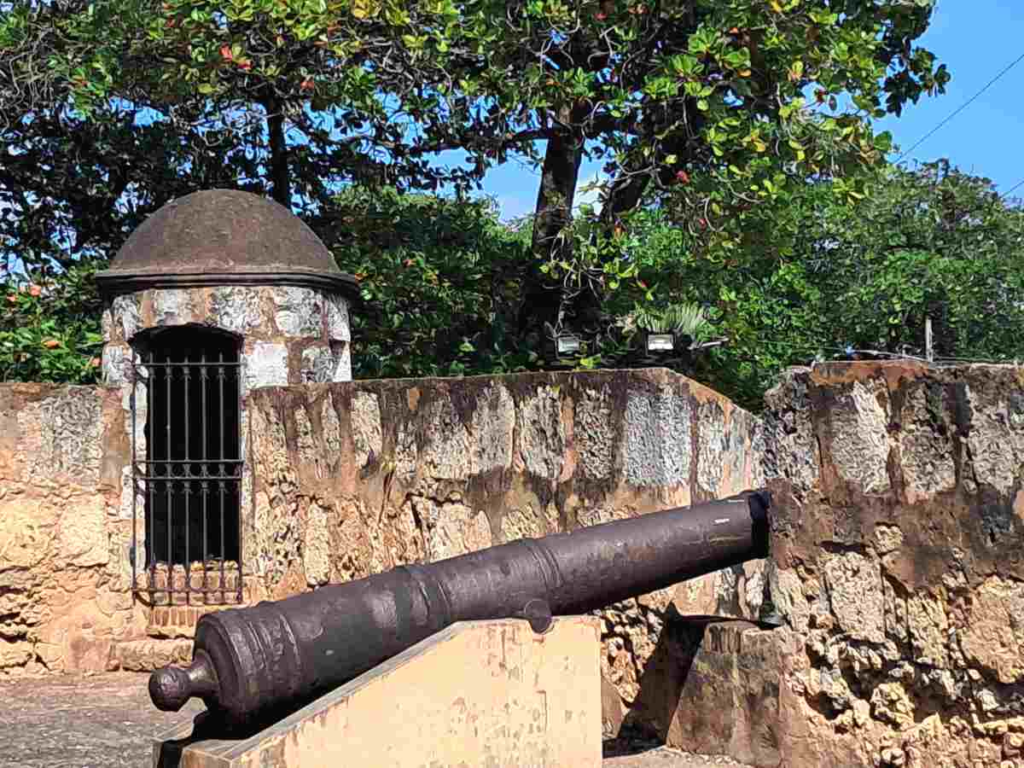
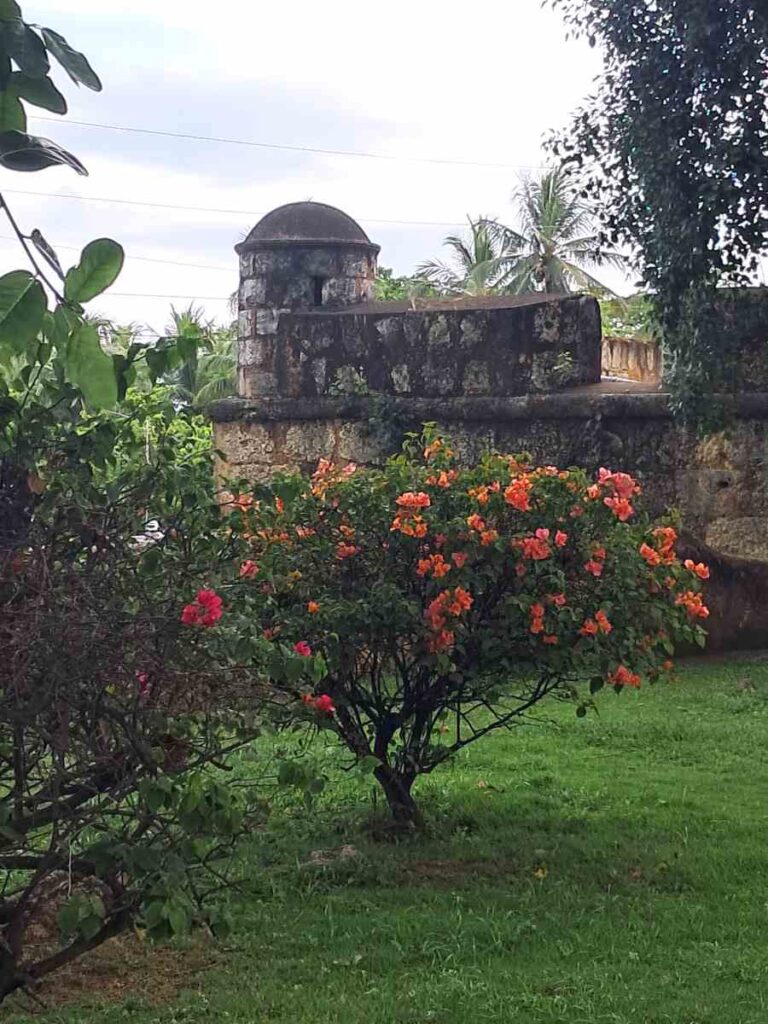
The avenue itself does not follow every twist and turn of the coastline. Instead, it runs broad and almost perfectly straight. Driving here is a pleasure. The salty sea air and magnificent coastal scenery make every journey feel like a leisurely sightseeing trip.
On the city side of the avenue there is plenty to admire as well. Elegant modern buildings rise along the waterfront—luxury hotels, casinos, and high-rise complexes. Some people jokingly call this stretch the Dominican version of Las Vegas.
One particularly impressive monument stands along the Santo Domingo Malecón. Large, expressive, and impossible to overlook, it honors the 16th-century Dominican friar Fray Antonio de Montesinos.
In 1511, Montesinos delivered a sermon publicly condemning the enslavement of the native Taíno people. At the time, this required extraordinary courage. He became the first person in the Americas to openly denounce such injustice.
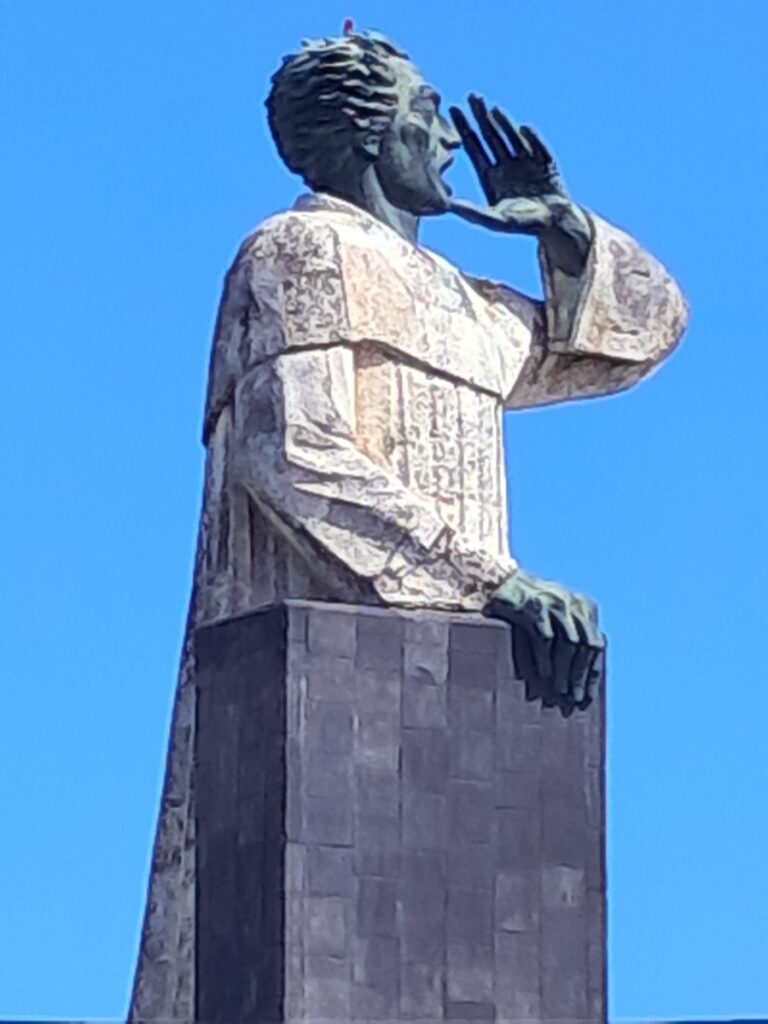
The monument was presented by Mexico as a symbol of freedom and solidarity among the nations of Latin America. It is made of bronze and limestone and was unveiled in 1983.
Sadly, for more than twenty years it was neglected. Wind, salt air, and time gradually took their toll, and the monument lost much of its original appearance.
In 2021, Santo Domingo’s mayor, David Collado, commissioned a complete restoration. The monument was given a new lease on life and once again became one of the city’s landmarks.
It stands on the Malecón near the intersection of José Gabriel García and 19 de Marzo streets, close to the Colonial Zone.
Further along the avenue stand two more monuments. One is a tall single obelisk, the other a double obelisk. Locals affectionately call them “The Boy” (El Muchacho) and “The Girl” (La Muchacha).
For a time, “The Boy” was charmingly decorated by amateur artists with colorful paintings of young women. One of them even resembled a mermaid… Despite the appearance, the monument was not connected with the sea at all. Instead, it commemorated the three Mirabal sisters—the last victims of the Dominican dictator Rafael Trujillo.
Later, the obelisk was painted white and fitted with a pair of enormous red children’s sandals. The inscription read: “Barefoot Children.” The monument had become part of a charitable campaign supporting children in need.
Today it bears yet another beautiful mural.
“The Boy” is actually the older monument. It was erected in 1936 to commemorate the renaming of the capital as Ciudad Trujillo. The double obelisk, “The Girl,” was built in 1947 to celebrate the repayment of the country’s foreign debt.
The Malecón continues to improve year after year. Attractive new recreational areas have appeared, including the spacious open-air Plaza Juan Barón. Since 2009 it has offered amusement rides, countless street-food stalls selling tacos, pizza, fried plantains, and many other treats… There’s even karaoke for those feeling brave enough to sing.
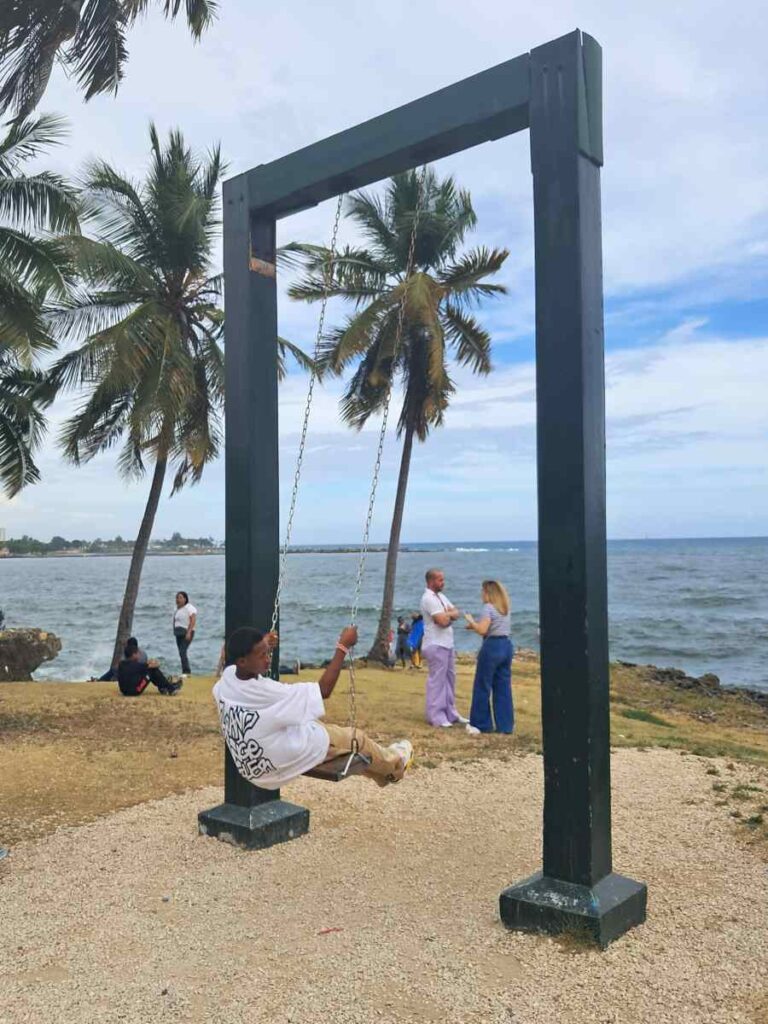
Another wonderful place is Plaza Güibia, ideal for families. There are outdoor fitness machines, a soccer field, playgrounds with swings and a carousel, barbecue areas, kiosks, tall shade trees, and a refreshing sea breeze.
There is also a sandy beach. Swimming isn’t recommended, but it’s perfect for sunbathing. Beach volleyball is popular here as well.
This place has a cheerful history. From the late nineteenth century until the 1960s, Güibia was Santo Domingo’s favorite city beach, complete with changing rooms, showers, swimsuit rentals, and diving platforms.
Between 1895 and 1904, visitors could even reach the beach by horse-drawn tram. The horses pulled the streetcars along rails laid on Avenida Independencia. Back then the avenue still carried its historic name: Camino de Güibia—the Road to Güibia.
During the Trujillo era, the beach was divided into two sections. The general public used the public beach, while a luxurious private complex—Casino Güibia—was built on the other side.
It was an elegant two-story building with terraces and a bar, reserved exclusively for high society. Aristocratic families gathered there, along with Trujillo himself and his entourage.
Historian José del Castillo once described it as “a unique sanctuary of freedom in the middle of a dictatorship.” Here people could swim, wrestle, dance, and simply enjoy themselves.
Today’s famous Adrián Tropical restaurant stands on the site once occupied by the police post guarding the casino and its private beach. After Trujillo’s fall, the casino became the property of the Autonomous University of Santo Domingo. Today it serves as the University’s Faculty Club.
A note for sports enthusiasts.
The sandy beach at Güibia is one of Santo Domingo’s most popular surfing spots. The waves can become surprisingly high, especially during the summer months.
In May 2026, the beach hosted the NORCECA 2026 International Beach Volleyball Tournament.
Location: Malecón, at the intersection of Avenida George Washington and Avenida Máximo Gómez.
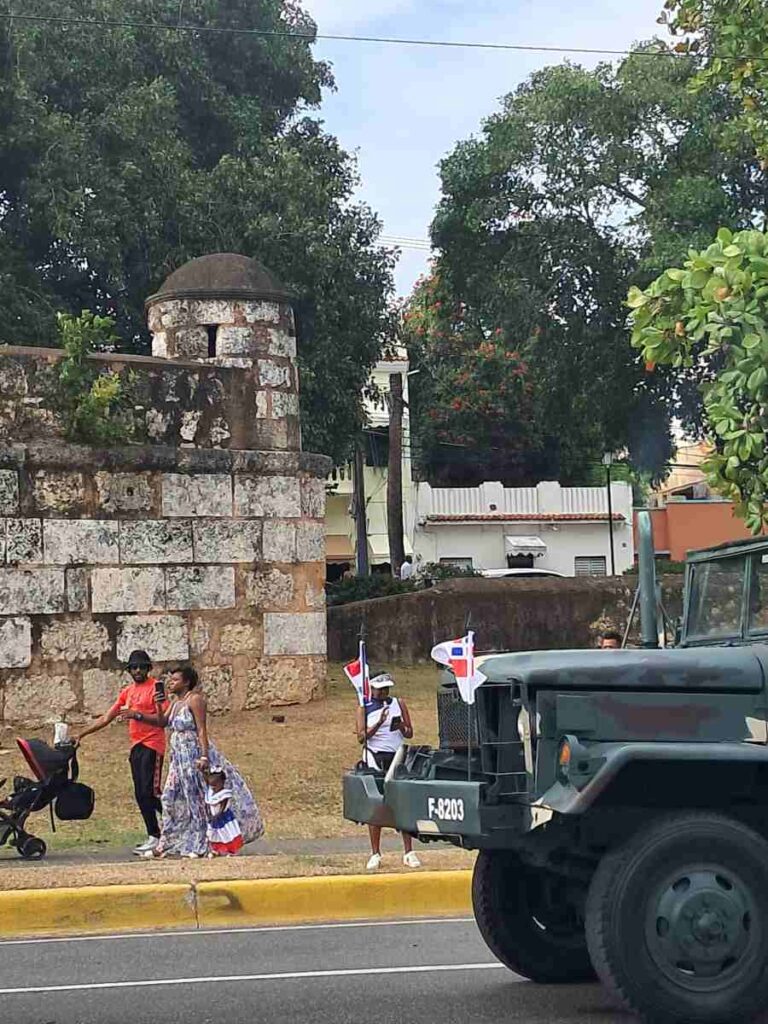
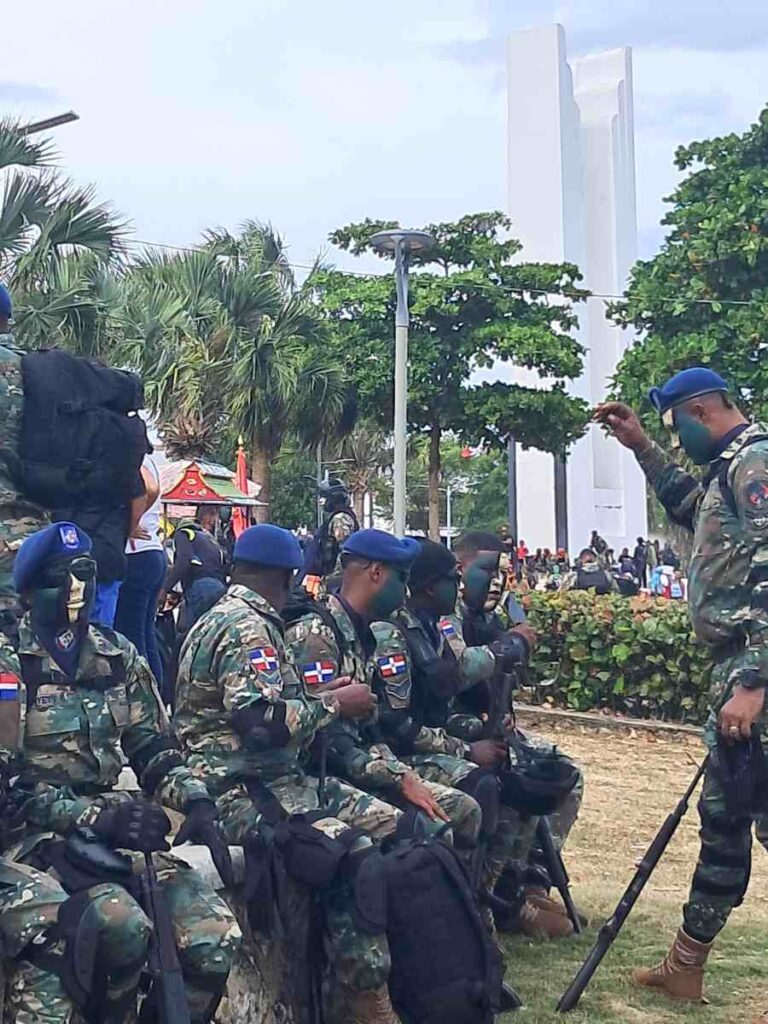
The Malecón has traditionally been the setting for military parades and Carnival celebrations. During major festivities, grandstands are erected for government officials and honored guests, and part of the avenue is closed to traffic.
Occasionally the waterfront also hosts large outdoor concerts.
Back in the 1980s, the Malecón was nicknamed “the world’s largest disco.” During the Bachata and Merengue Festivals, thousands of people danced here late into the night.
On weekends, the Malecón becomes wonderfully lively. In some places it turns into one enormous family picnic. Cheerful music pours from parked cars. Groups of friends barbecue meat and sausages, play ball, chat, laugh, and relax in the plastic chairs they’ve brought along with them.
On windy days, the waterfront belongs to kite flyers—most often Dominican fathers spending time with their children.
Soon the sky fills with colorful, long-tailed kites performing astonishing acrobatics high above the Caribbean. In the crowded streets farther inland, flying them would be nearly impossible because of the countless overhead utility wires stretching across the city like a tangled bundle of embroidery threads.
From time to time, elegant sightseeing carriages roll along the Malecón. They are painted white, ride on large decorative wheels, and have graceful black folding canopies for rainy weather.
Years ago they were pulled by cheerful horses.
Today they are motorized, but they still move at a leisurely pace—perfect for anyone who wants enough time to admire the scenery.
And finally, the word “Malecón” simply means “seawall” or “waterfront promenade” in Spanish.
Short, simple… and perfectly appropriate.