Calle El Conde is one of the oldest streets in the historic heart of Santo Domingo. It is quite long, stretching between two famous squares: Parque Independencia and Parque Colón. At first glance, it seems to end at Parque Colón… But in fact, it continues beyond the square all the way to Calle Las Damas.
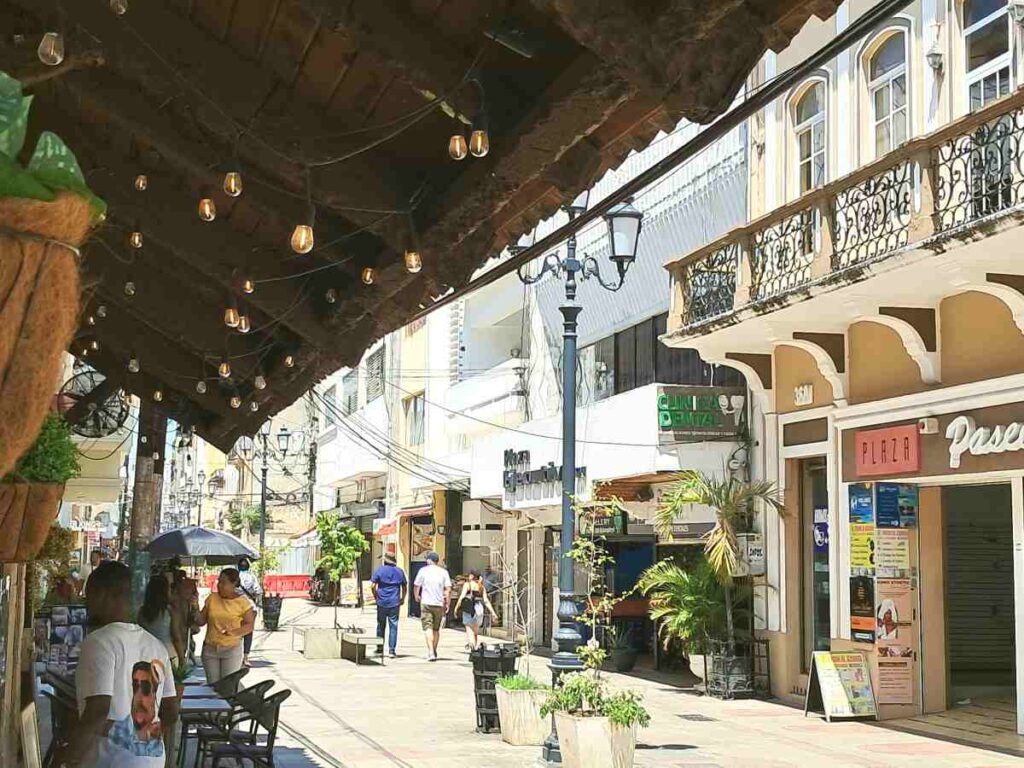
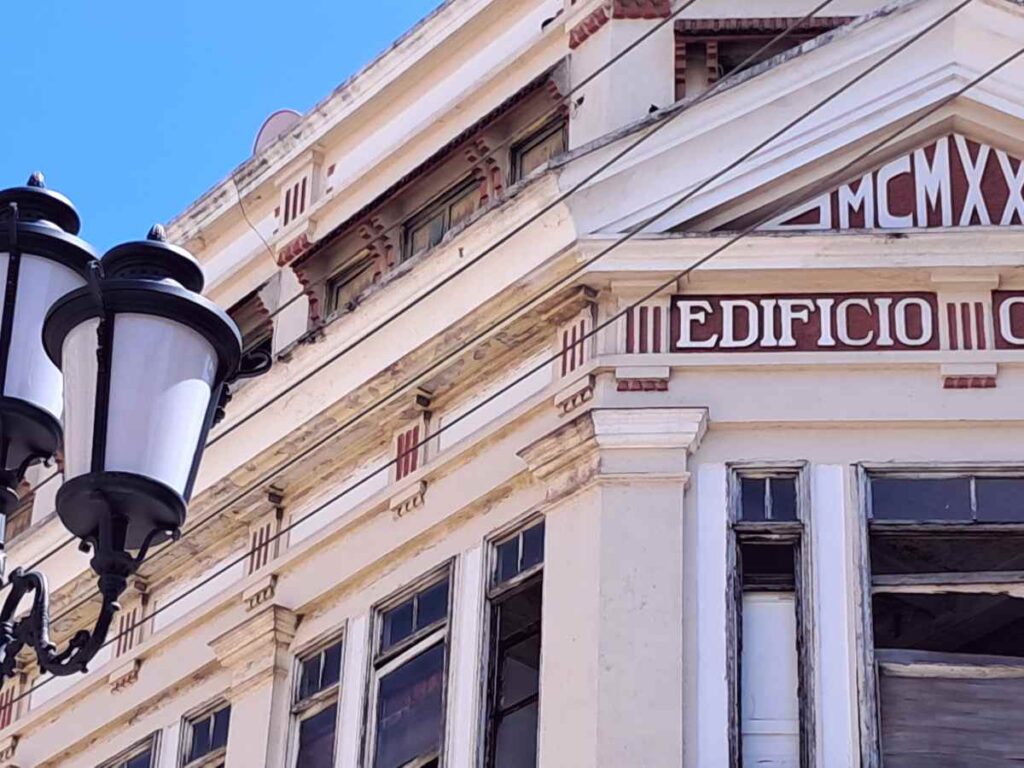
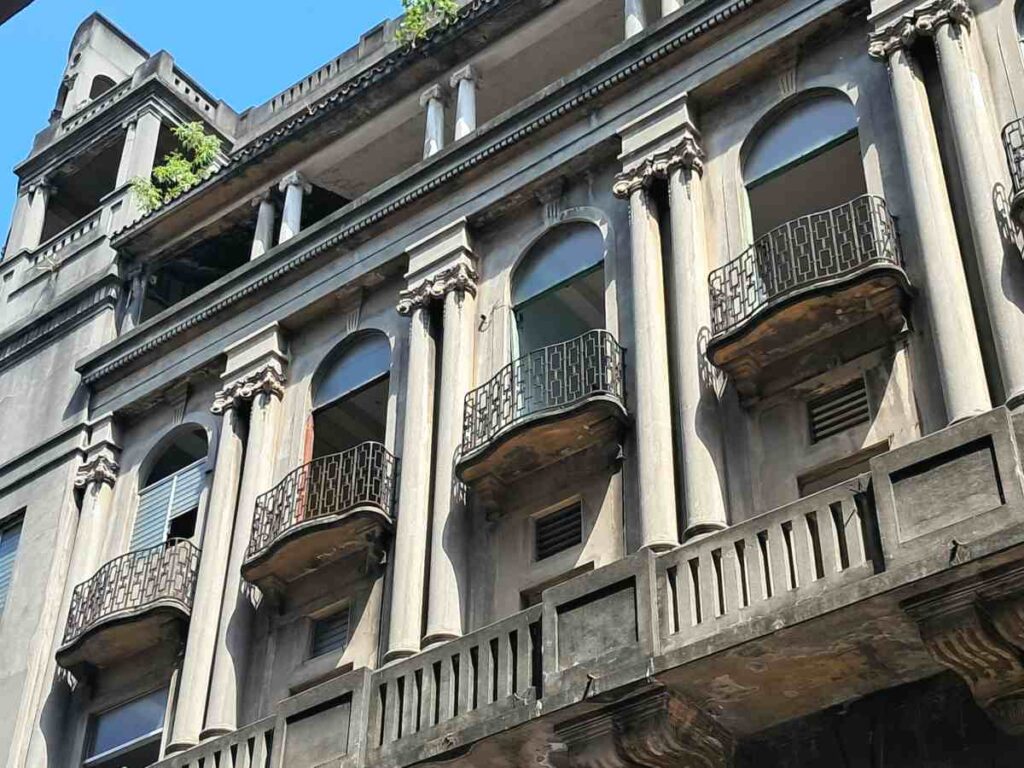
Ever since Colonial times, Calle El Conde has been the city’s main shopping street. Over the centuries it has been home to stores, hotels, banks, cafés, newspaper offices, and movie theaters. Many fascinating commercial buildings have survived here, including examples of Eclectic and Art Deco architecture, clearly visible in their façades.
During the second half of the 20th century, El Conde was converted into a fully pedestrian street. Restoration of its historic buildings continues to this day.
The name “El Conde” comes from the nearby El Baluarte del Conde and Puerta del Conde (the Count’s Bastion and the Count’s Gate), both of which have survived to the present day. They were named after the Count of Peñalba (Conde de Peñalba), who commanded the city’s defense during the English siege of 1655. At that time, the bastion and its gate formed part of Santo Domingo’s fortified walls and served as the western entrance to the Colonial city.
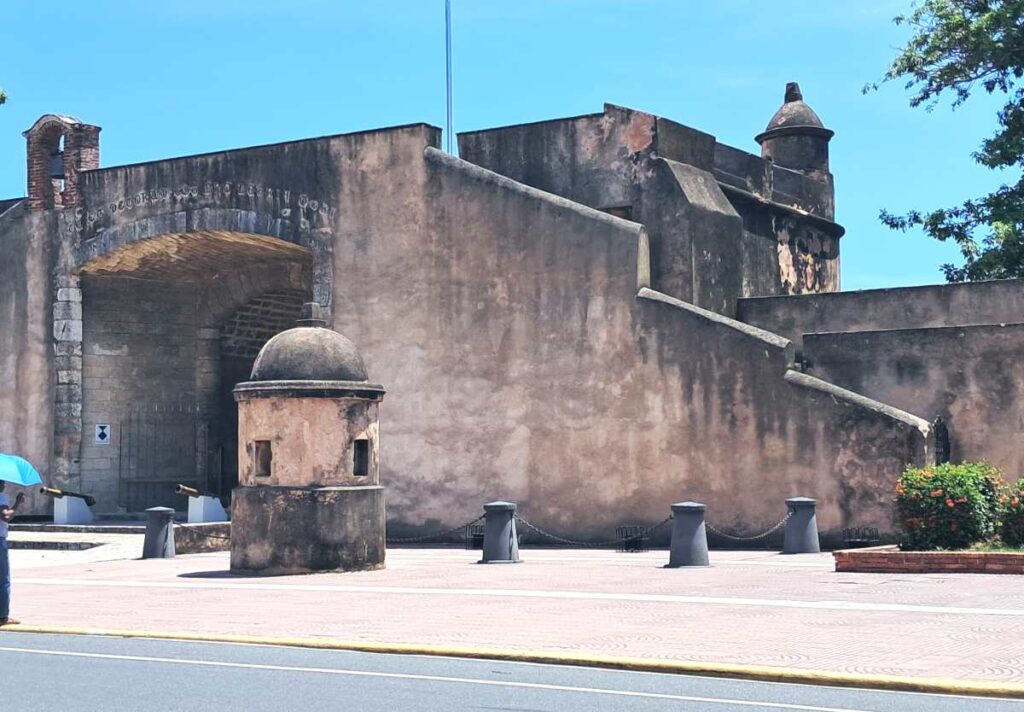
The best place to admire and photograph them is Parque Independencia (Independence Park).
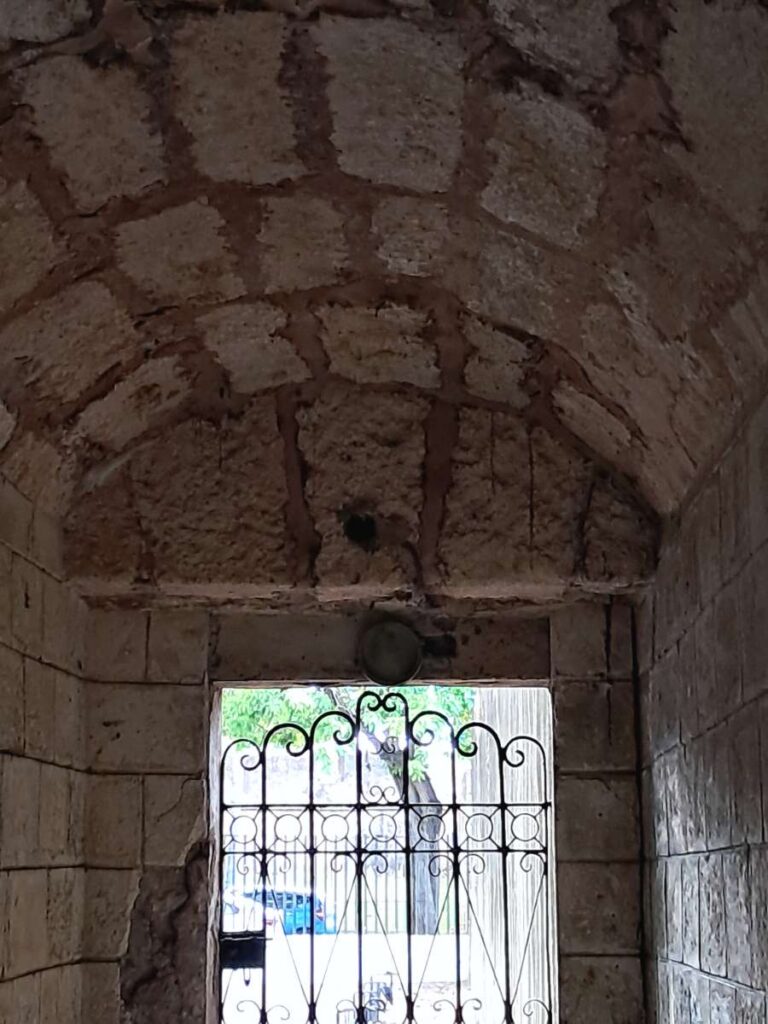
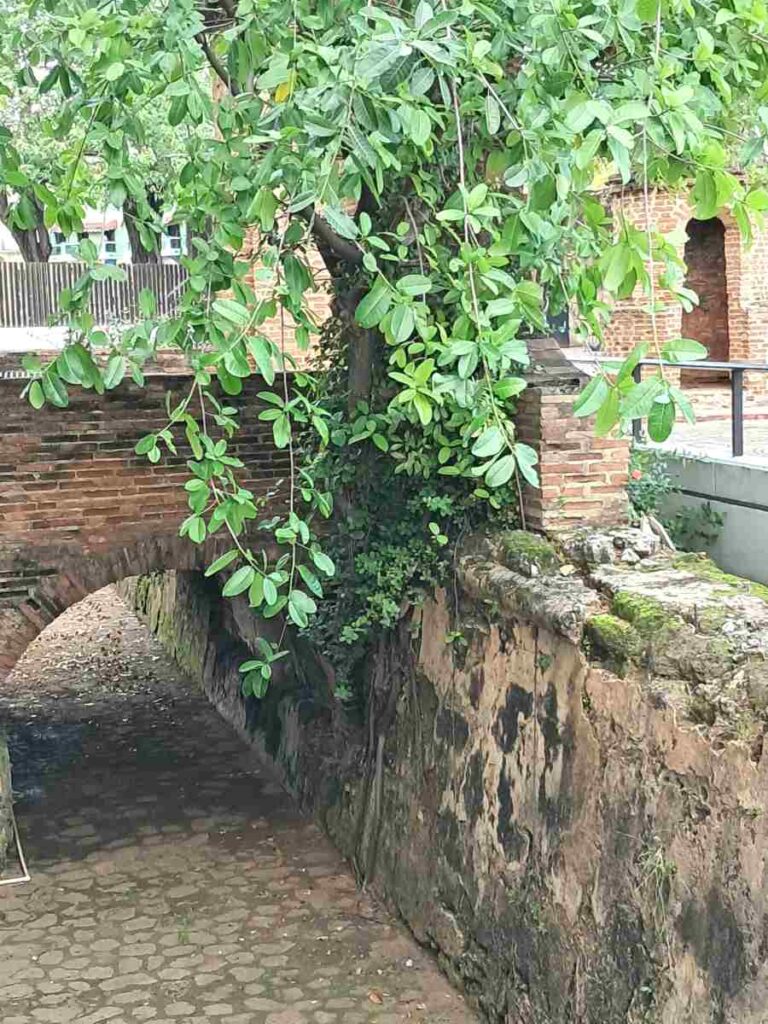
Today these gates lead visitors to the Memorial, where the legendary Founding Fathers of the Dominican Republic—Duarte, Sánchez, and Mella—are buried inside the white marble Altar de la Patria (Altar of the Fatherland).
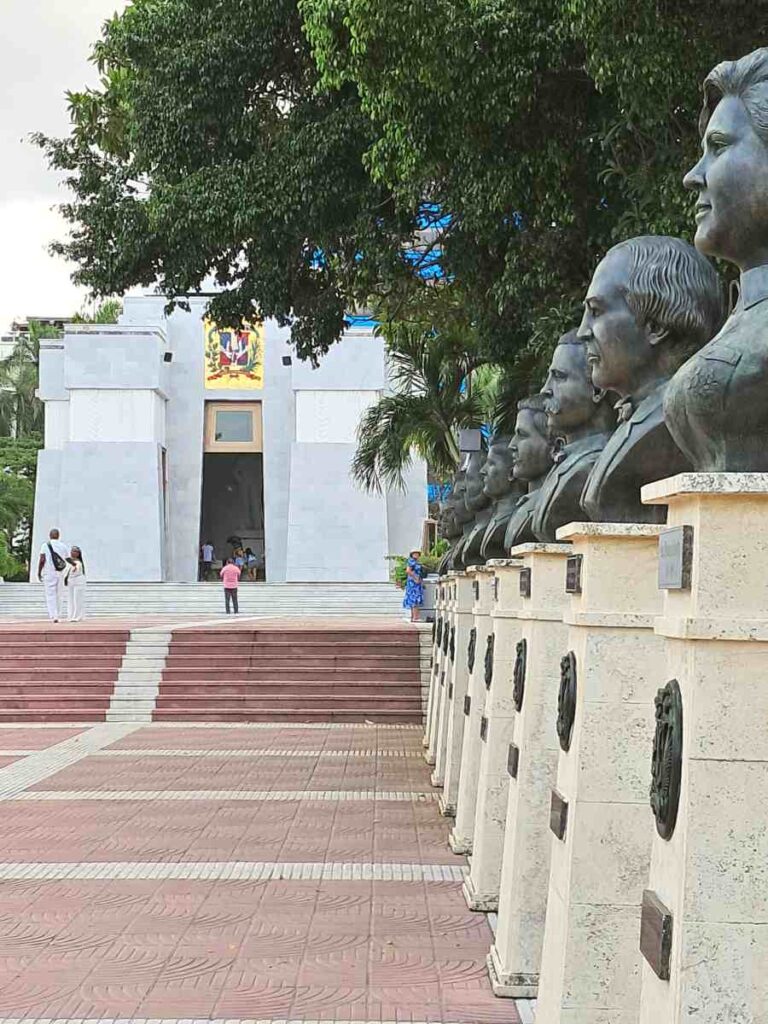
Busts of the country’s National Heroes line the approach to the mausoleum.
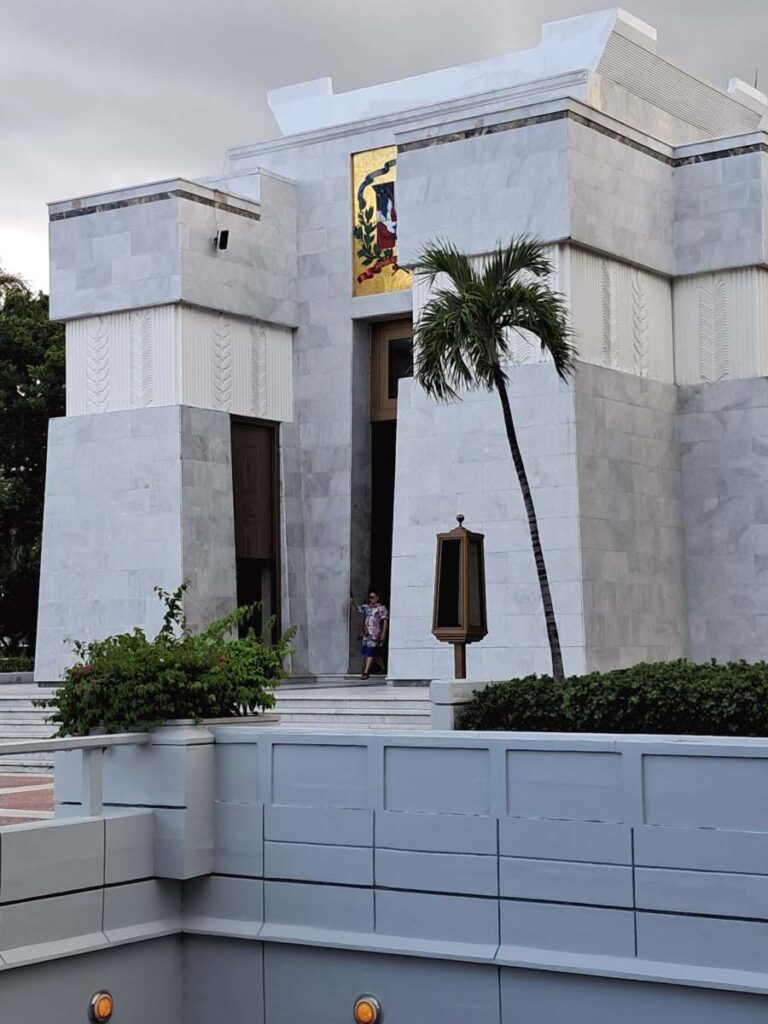
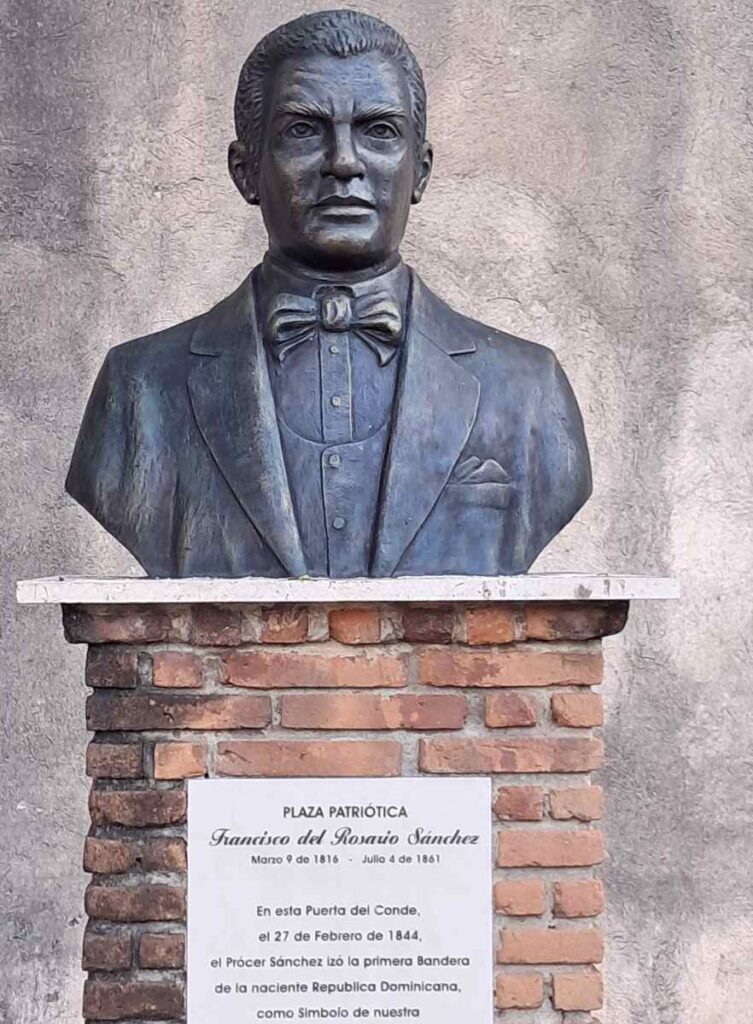
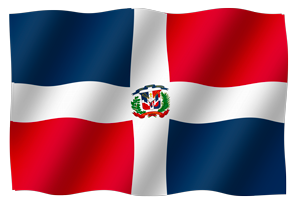
It was beside these very gates, on February 27, 1844, that Francisco del Rosario Sánchez proclaimed the independence of the Dominican Republic and raised the country’s national flag for the very first time.
Walking along Calle El Conde is always a pleasure. It is one of the most colorful streets in the Colonial Zone.
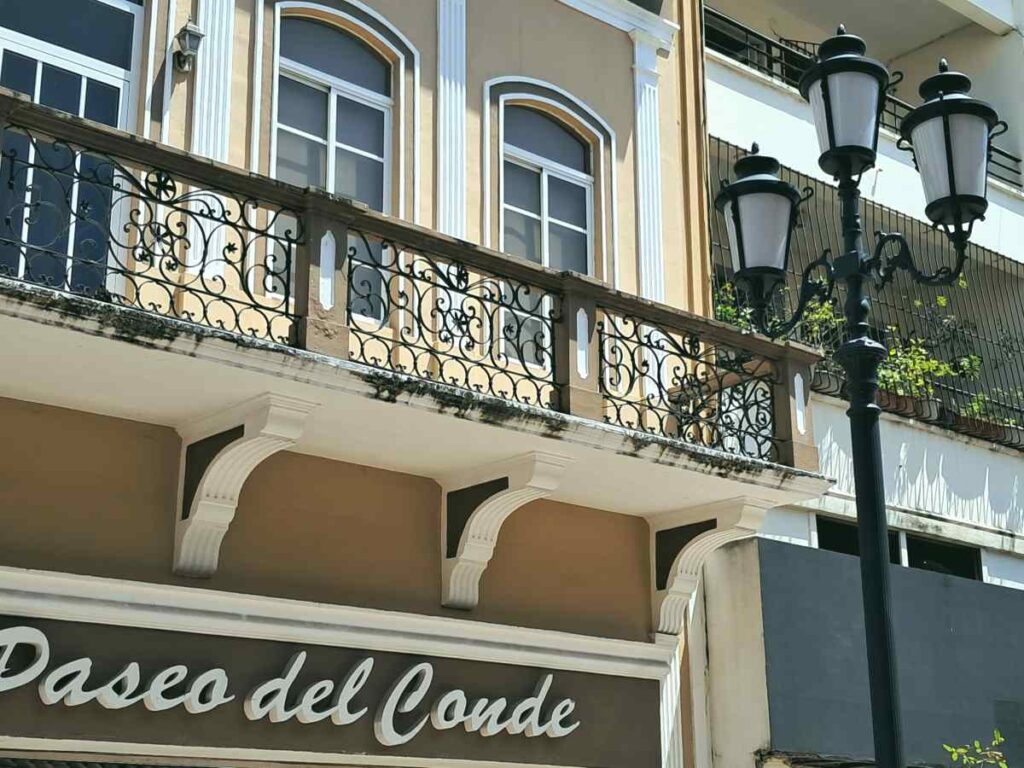
Following the street brings you naturally to the beautiful Parque Colón. Remember it? That’s where you’ll find the City Hall, the monument to Christopher Columbus, and the magnificent Cathedral of Santa María la Menor—the oldest cathedral in the Americas.
A LITTLE DIGRESSION. Calle El Conde is full of shops, souvenir stores, cafés, and restaurants. Among them stands the two-story Plaza Lombaz, now a perfectly ordinary shopping and office center. But about ten years ago it had a delightful attraction—a wonderful pet shop.
Every morning, the owners rolled an enormous cage of colorful budgerigars out onto the sidewalk. The birds chirped happily, fluttered about, and provided the most effective advertisement imaginable… for themselves.
The shop was never empty. Its many enclosures were home to adorable puppies, kittens, rabbits, and little iguanas. They yawned, played, ate, and slept while fascinated visitors watched every move. Reality television had nothing on this. Miniature Pinschers, pugs, Siamese cats—all impeccably cared for, vaccinated, pedigreed, and absolutely irresistible—quickly found loving homes. Many people stopped by simply to admire them. Walking past without taking a look inside was nearly impossible.
Across the street from the cheerful birdcage stood a lively café. We no longer remember its name—something Caribbean, perhaps “Paradise.” Elegant outdoor tables and chairs sat beneath wide awnings. Joyful bachata would gradually give way to romantic salsa. Tropical atmosphere at its finest. Residents and visitors alike happily settled there with a cold fruit juice or an ice-cold bottle of beer.
One afternoon, while sitting there, we witnessed an unforgettable little scene.
A Haitian man, black as midnight, was walking proudly down El Conde carrying half of a white male mannequin over his shoulder.
The image was extraordinary… It looked as though a cannibal were returning from a successful hunt. His graceful, feline movements, relaxed but confident stride, and remarkable presence set our imagination racing. One could almost picture a crowd of excited children waiting eagerly at home for their father to return with tonight’s delicious feast…
The sight was irresistibly funny. Several Europeans sitting nearby burst into laughter as well. When the Haitian gentleman realized what had amused everyone so much, he straightened his posture with theatrical dignity. He smiled back with genuine good humor… but looked at us all with the unmistakable expression of a man who knew he had won the moment completely.
Old Santo Domingo is a lively tourist district filled with hotels, so the people you meet here are wonderfully diverse. Elegant French visitors… easygoing but rather noisy Germans… delightfully eccentric Dutch travelers… outspoken Americans… energetic, talkative Italians… perfectly groomed Japanese and Korean tourists… Then, of course, there are Dominicans, in every beautiful shade of café au lait, and Haitians with unmistakably African roots.
In short… there is always someone fascinating to watch.
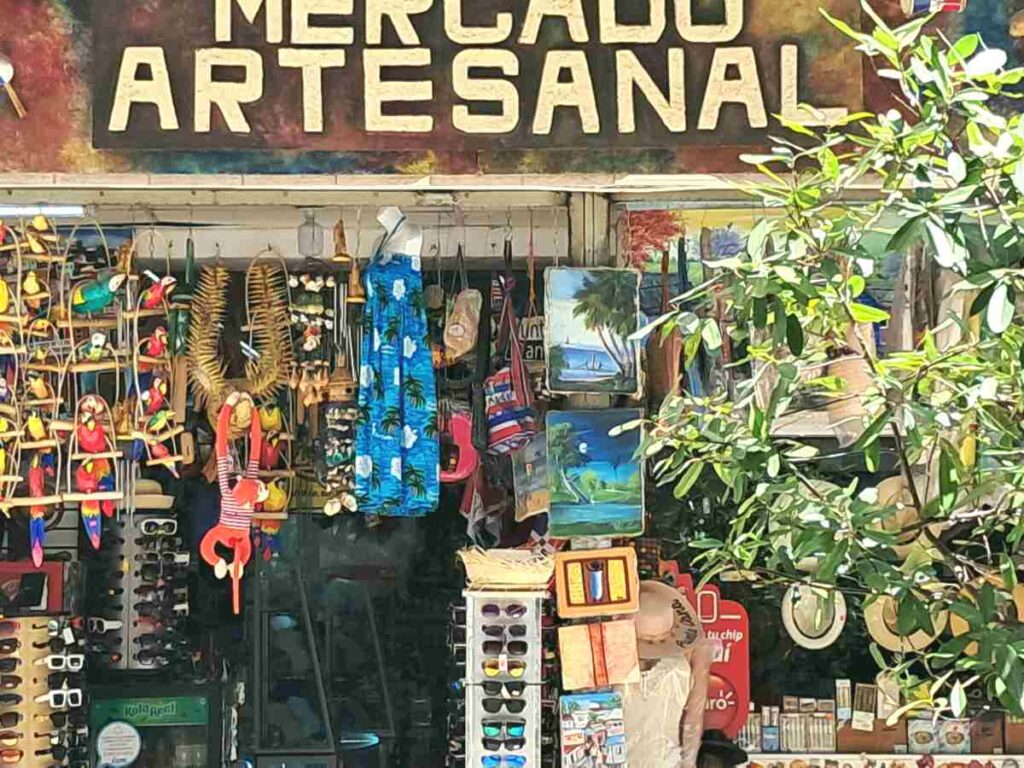
Calle El Conde is filled with souvenir stores. They have a wonderful character of their own—bright, festive, delightfully chaotic, and endlessly entertaining to explore. Handcrafted wooden boats crowded with rowers… mysterious little houses… brilliantly painted carved roosters, parrots, and flamingos… Decorative boxes… Haitian faceless dolls… Once we even came across an antique barber’s chair—there was simply too much to remember.
You’ll also find amber and larimar jewelry (Dominican turquoise), T-shirts, sombreros, mugs decorated with Dominican motifs, woven furniture, and, naturally, paintings. There are paintings everywhere—covering the walls and stacked in tempting piles that almost demand to be browsed through.
On the façade of one such shop we noticed what looked like a commemorative plaque. Its inscription was unexpectedly touching:
“Construction of this building began in 188… on a Monday.”