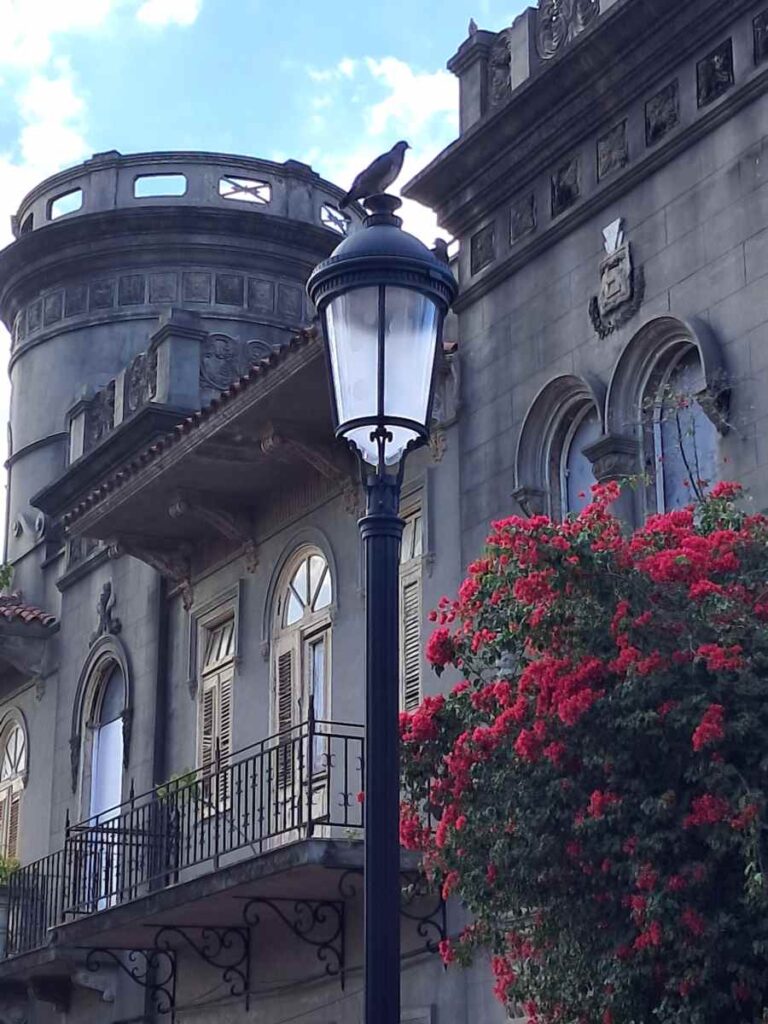
This is a small, shady park filled with century-old trees and surrounded by beautiful Colonial-era architecture.
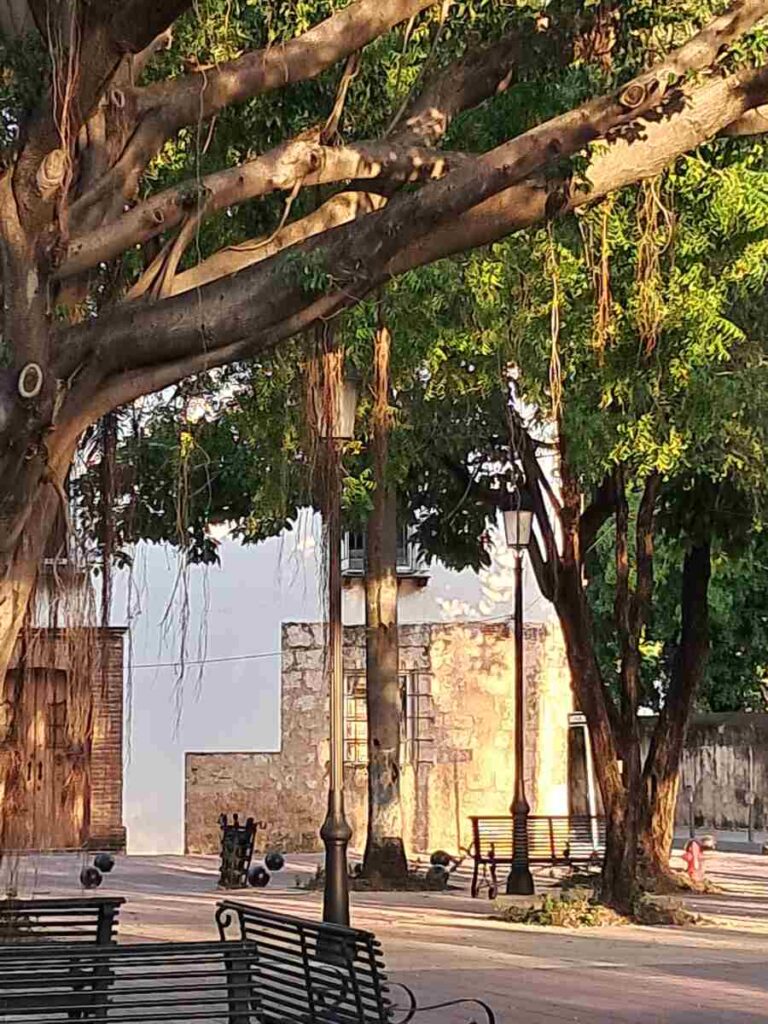
During the day, the park is wonderfully quiet and peaceful. Tiny birds chatter softly overhead, their nests hidden high among the leafy branches. Underfoot, plump city pigeons wander about, always hoping for a bite to eat. Sit down on a bench with a bread roll, and you’ll soon find yourself surrounded by an eager feathered audience…
You can’t help remembering a pigeon we once saw busily pecking at a chicken bone.
There are aristocrats among them, too. Ornithologists call them wood pigeons. They’re smaller, remarkably elegant, dressed in delicate pastel colors, and they behave quite differently. Less fussy, more romantic, seemingly lost in their own thoughts—as if quietly composing poetry. Why these woodland birds chose to settle in the middle of the city… who knows? Perhaps their navigation system simply got confused.
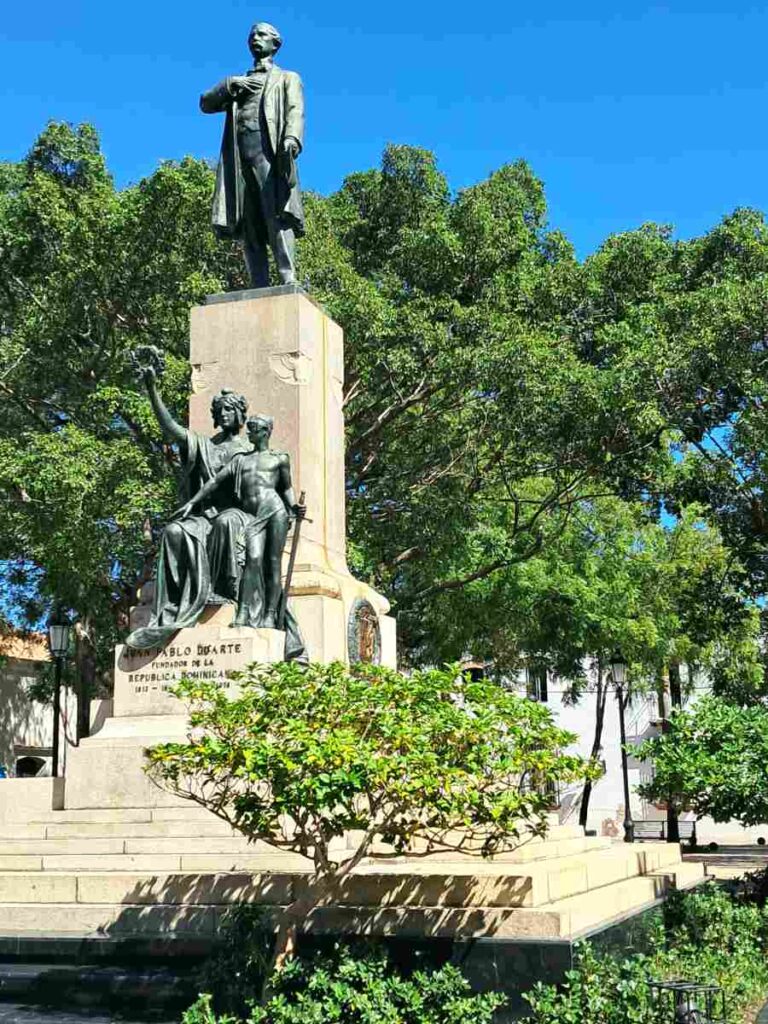
At the center of the square stands the bronze monument to Juan Pablo Duarte, the Father of the Dominican Nation. Its location was chosen very deliberately. In the 19th century, members of the secret society La Trinitaria, founded by Duarte himself, met here in secret. It was here that they planned the struggle against the Haitian occupation of 1822–1844 and the fight for Dominican independence.
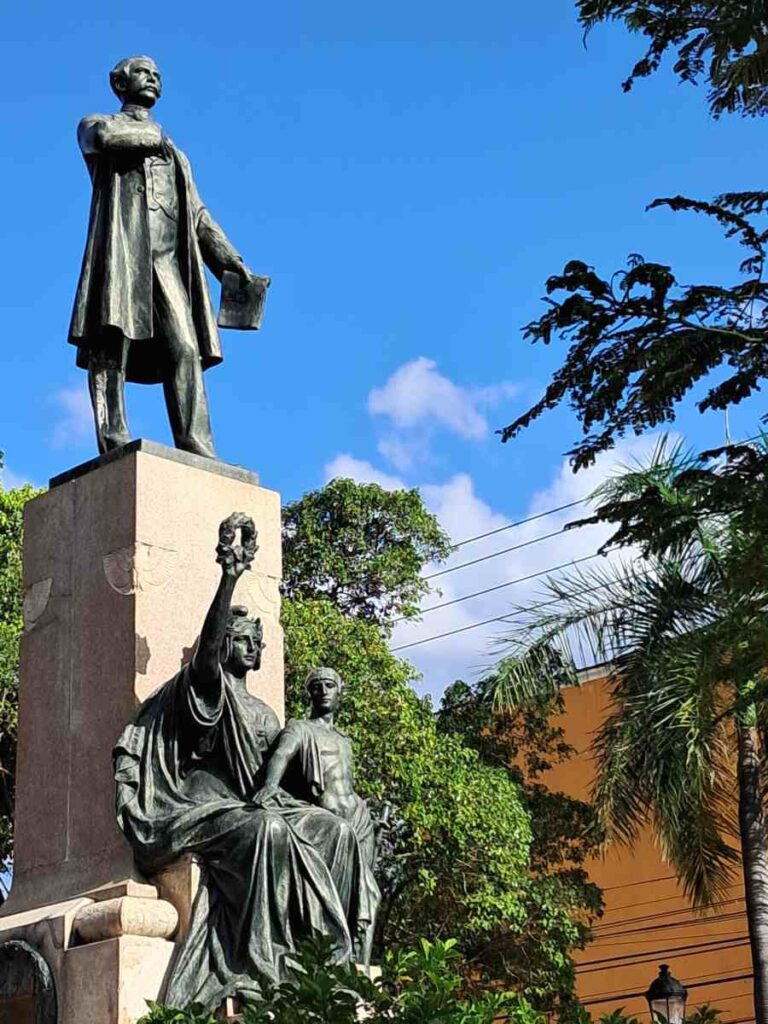
Historical records tell us that this square has witnessed anything but a quiet past. During the Colonial era, it served as the city’s arena for bullfights and other public spectacles. Several early chronicles also state that, in the early 16th century, Spanish conquistadors carried out executions of Indigenous people here. According to tradition, the Taíno queen Anacaona was hanged on this very spot.
This grim chapter was later joined by the pirate Francis Drake. Before leaving the plundered city of Santo Domingo, he ordered two elderly monks to be hanged here.
Visitors sometimes hear stories about the fires of the Spanish Inquisition. In reality, however, that never happened on Hispaniola. The Spanish Inquisition did not conduct public executions (autos-da-fé) in Santo Domingo. The island formally fell under the jurisdiction of the tribunal in Cartagena, present-day Colombia. Executions carried out on Hispaniola were the responsibility of the civil authorities, not the Inquisition.
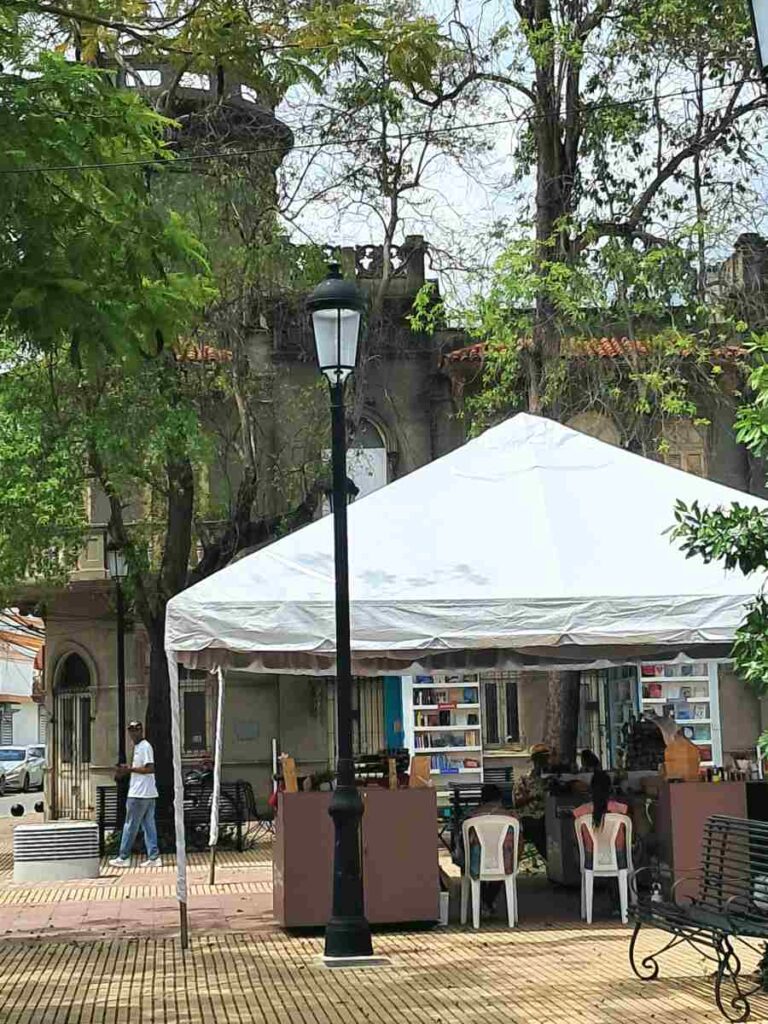
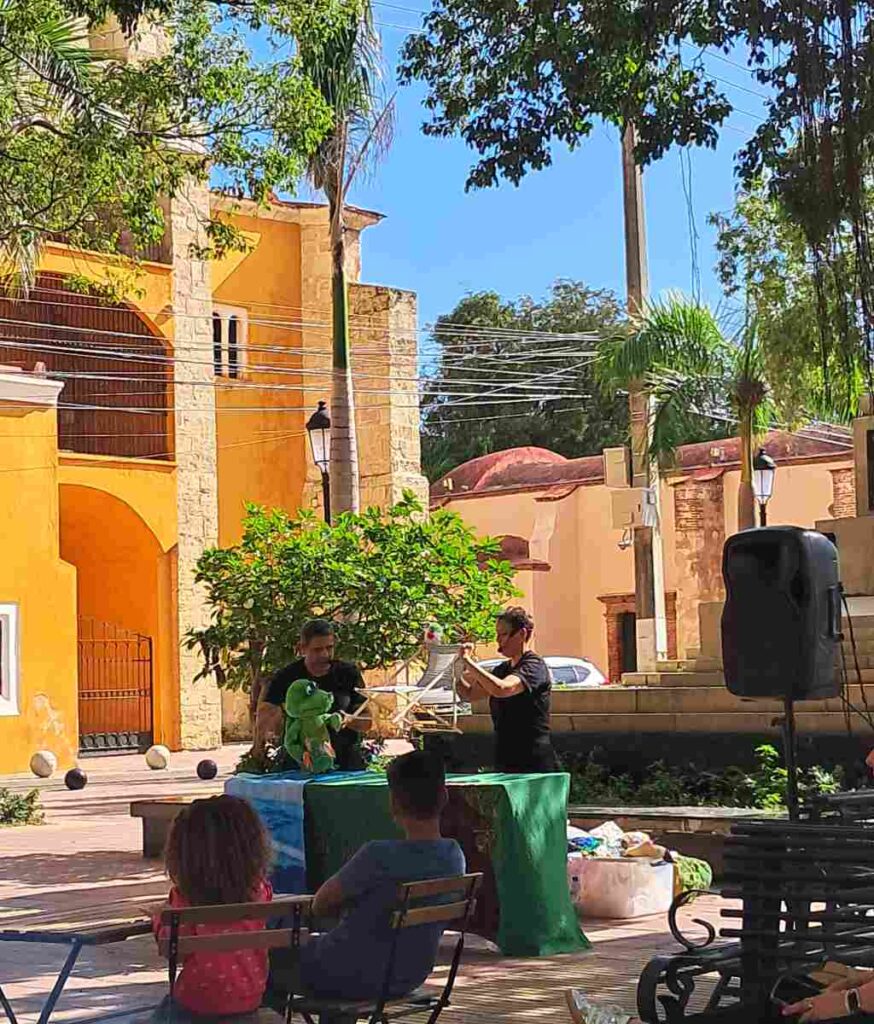
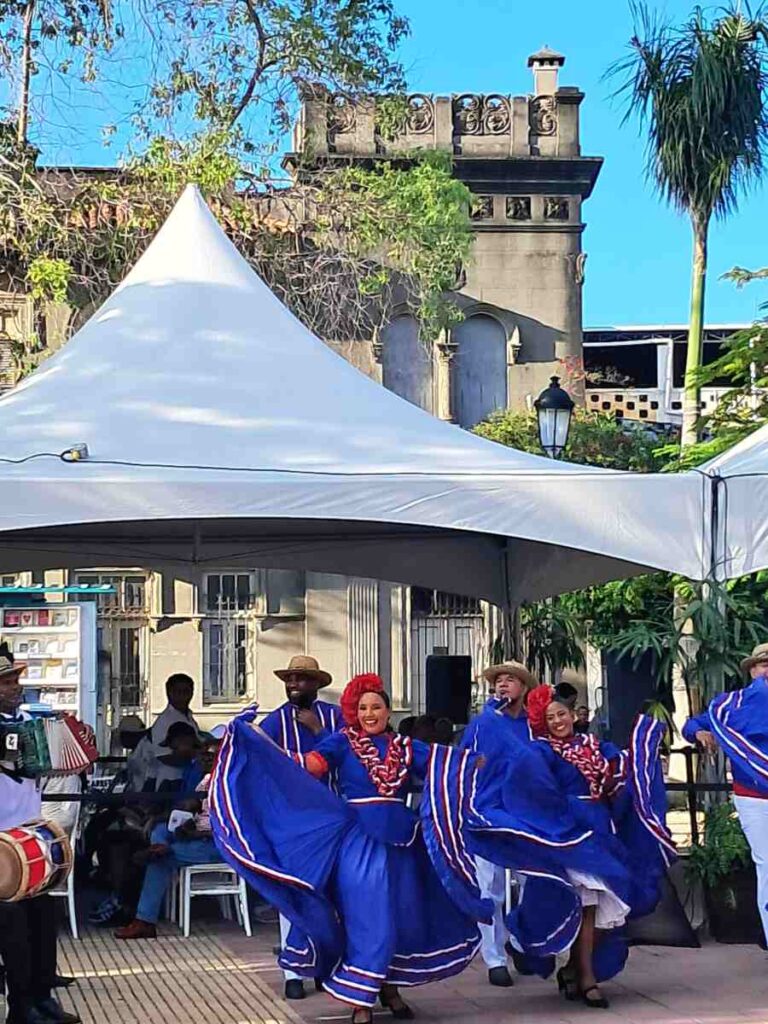
Directly opposite Duarte Park stand an old monastery and a beautiful church, both with fascinating stories of their own…