This district dates back to the very beginning of the 16th century.
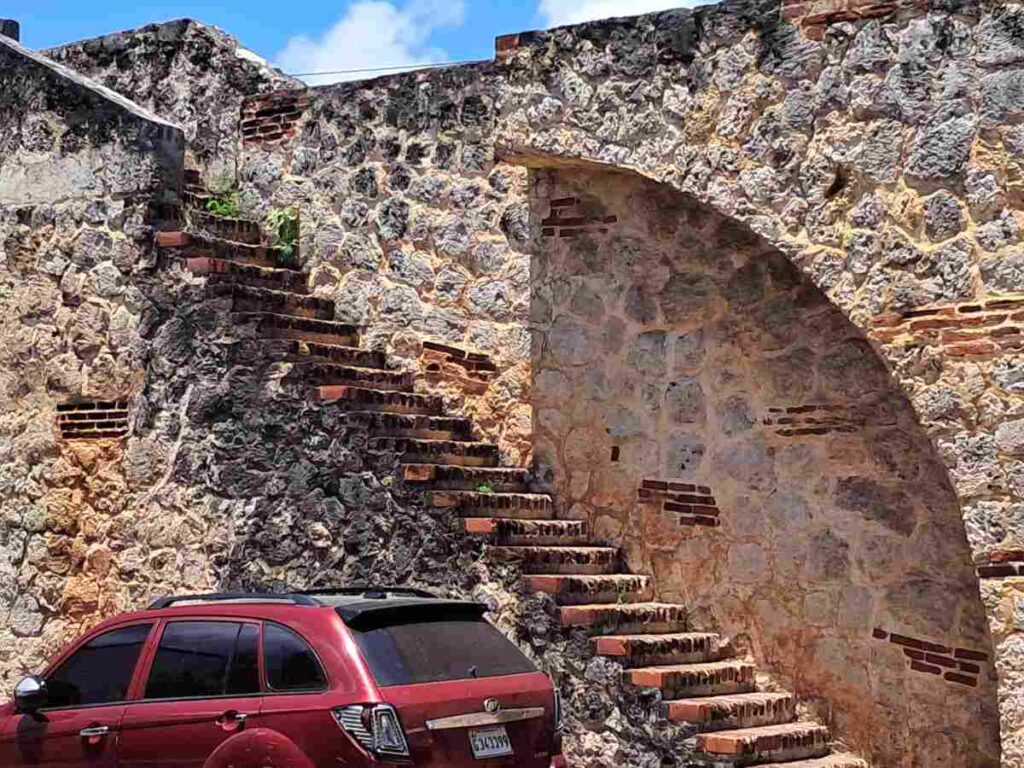
The Las Atarazanas district served the small but extremely busy harbor on the Ozama River. This was the site of Santo Domingo’s original port, home to the Royal Shipyards and the Customs House. Ships were built and repaired here. Spanish galleons arrived, unloaded their cargoes, and paid customs duties. Around the harbor grew the city’s first commercial district, with merchants’ offices, warehouses, shops, and taverns… During the 16th century, this was Spain’s most important port in the New World. From here, Spanish expeditions departed for and returned from Mexico, Peru, and other colonies. Precious metals, sugar, merchandise, and slaves all passed through this harbor…
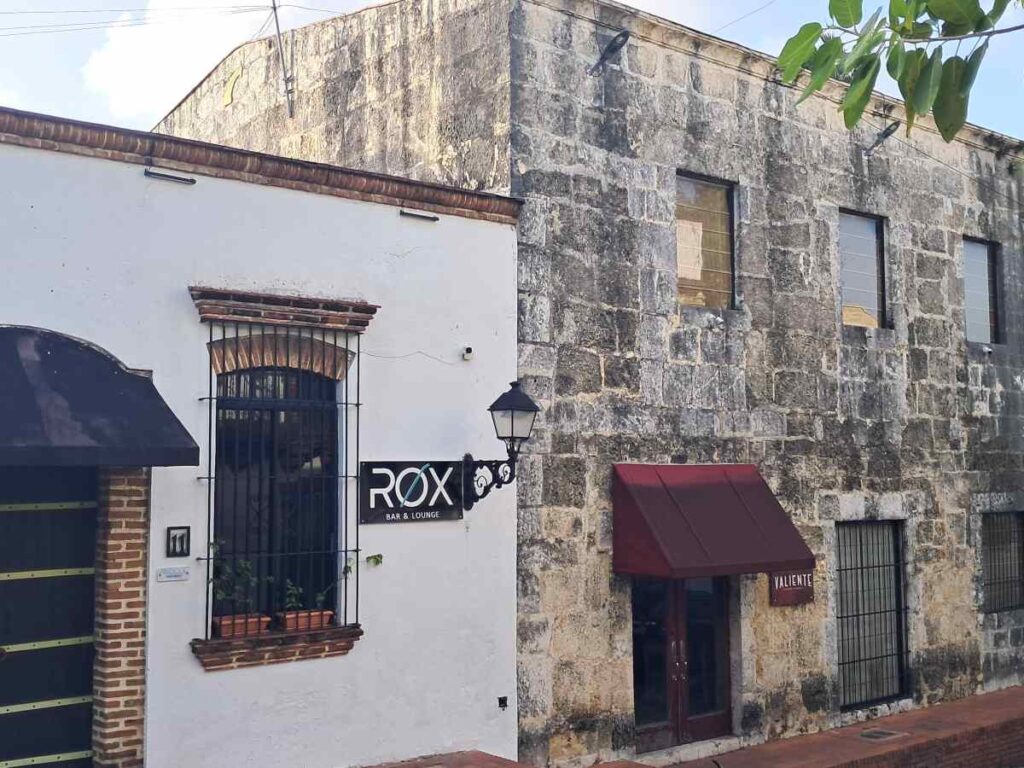
Today, Las Atarazanas is a relatively small quarter of the Old City, beautifully restored in the mid-20th century.
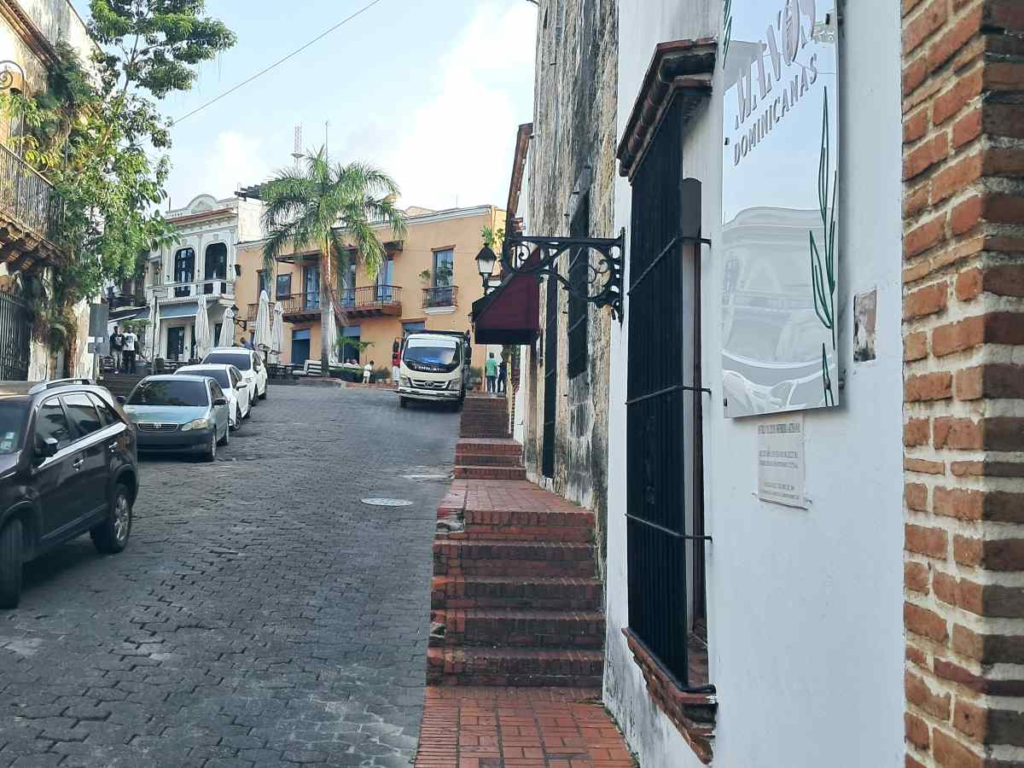
It is wonderfully picturesque. From time to time, it is even used as a filming location for historical movies. The atmosphere of kings, court ladies, and the great Age of Discovery still lingers here. These 16th-century buildings once housed warehouses, taverns, and an arsenal… Today they are quiet shops and restaurants welcoming visitors from around the world.
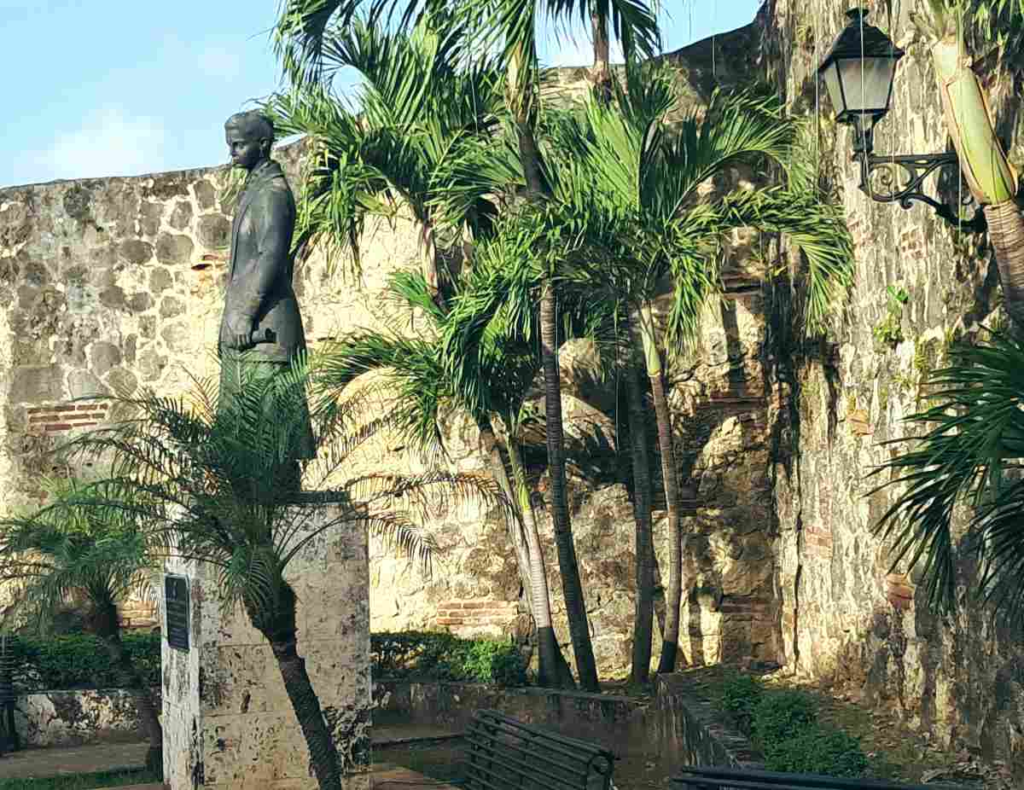
REFERENCE: Salomé Ureña Henríquez (1850–1897), the Dominican Republic’s national poet. Her father was a lawyer, journalist, and poet who provided her with an exceptional home education—something quite rare for a young woman in the 19th century. She grew up immersed in the Spanish classics and became familiar with English and French literature at an early age. She began writing poetry while still a teenager. Her early works reflected the destiny of the young republic, faith in the future, and the ideals of progress… In 1880 she married Francisco Henríquez y Carvajal, who would later become President of the Dominican Republic. In 1881 Salomé founded the Instituto de Señoritas, the country’s first institution of higher education for women. The school constantly struggled with financial difficulties, yet it was there that the first certified female teachers in Dominican history graduated in 1887…
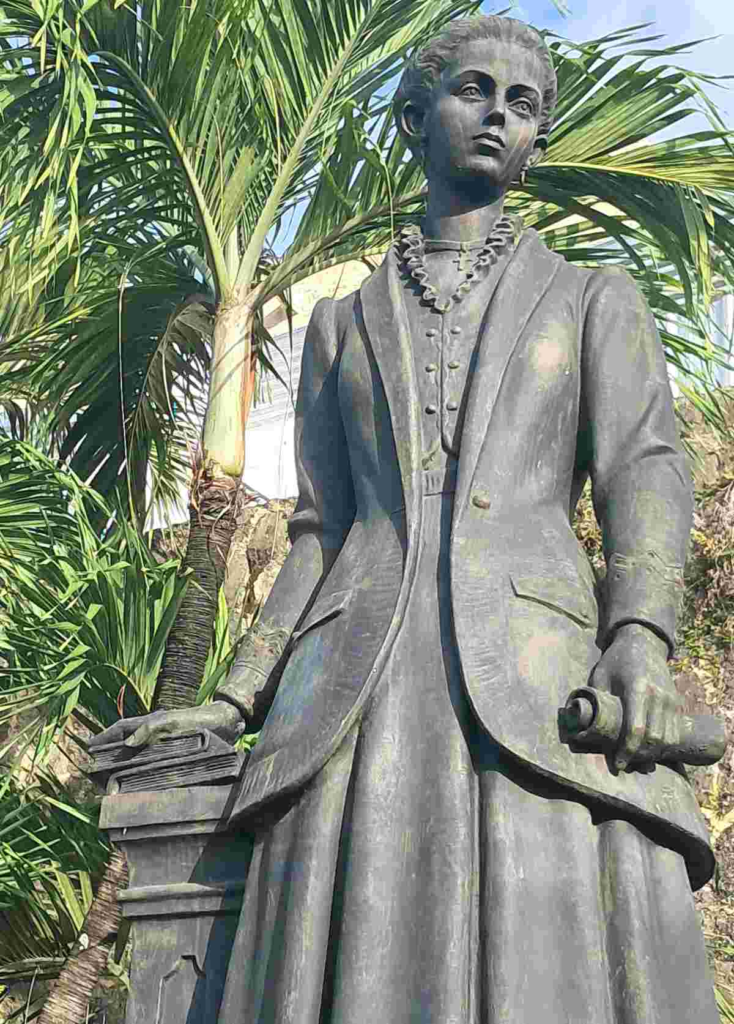
From 1887 to 1891, Francisco Henríquez y Carvajal left for Paris to study medicine, eventually earning his doctorate… During those years, Salomé remained in Santo Domingo with their three young children while continuing to run the educational institute. She wrote less frequently during this period, producing deeply melancholic poems filled with longing, waiting, and love… Tuberculosis slowly consumed her for many years. Then came the birth of her fourth child… She died at the age of just 46. Today, Salomé Ureña remains a symbol of women’s emancipation and education in the Dominican Republic.
NAVAL MUSEUM (Museo Naval)
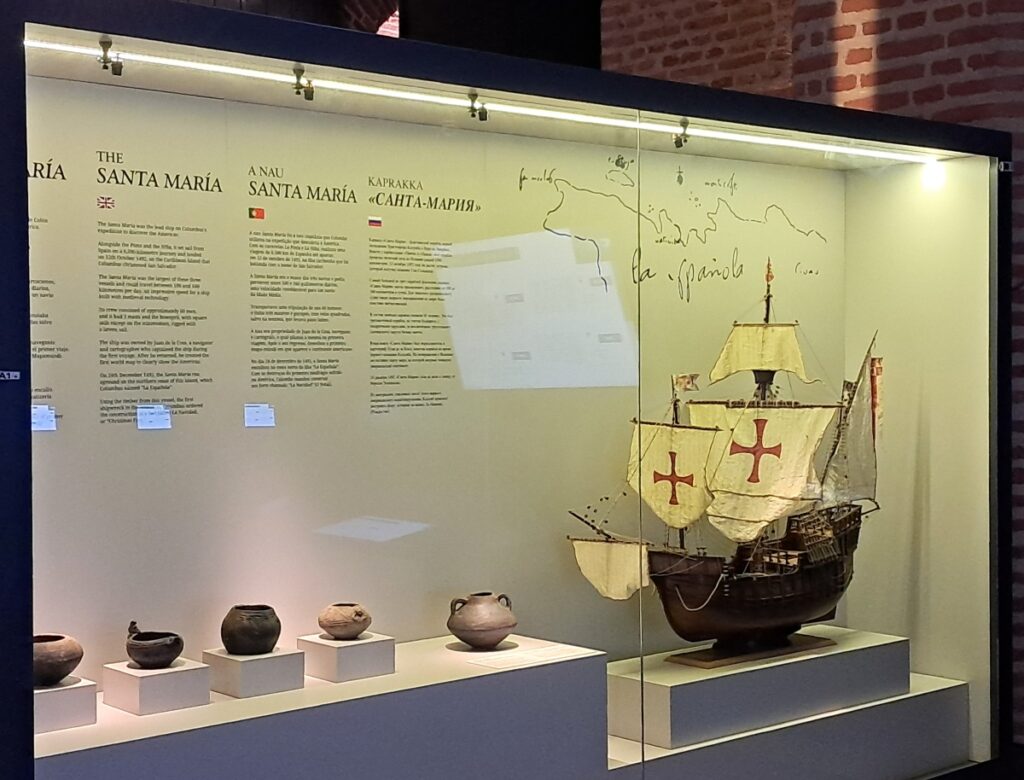
The museum occupies the former Royal Shipyards, built at the beginning of the 16th century. After an extensive restoration completed in 2018, it reopened to the public in 2019. The museum is also known by its initials: MAR. Its collection is both extensive and impressive, comprising around 1,200 naval and maritime artifacts, along with some 50,000 smaller archaeological finds.
Visitors can admire cannons recovered from the sea, fragments of shipwrecks, tableware, coins, jewelry, navigational instruments, everyday household items, and objects of trade… All of these are underwater archaeological discoveries recovered from shipwrecks dating from the 15th to the 19th centuries. The museum also features beautifully crafted ship models, paintings, weapons, and a multimedia room showing documentaries about the Discovery of America, naval battles between England and France, famous shipwrecks, and more.
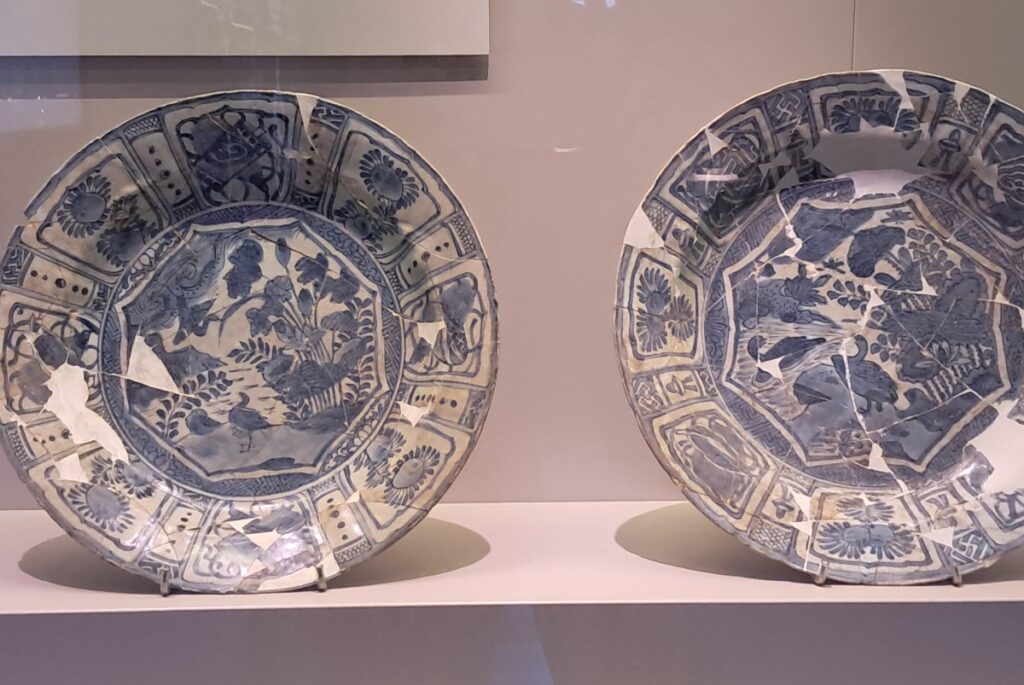
Don’t miss the remarkable collection recovered from the famous galleon Nuestra Señora de la Pura y Limpia Concepción. Built in Havana, the ship was sailing back to Spain with the fleet in 1641 when it sank… Divers later recovered Ming Dynasty porcelain, jewelry, precious stones, and even a chest with a false bottom filled with silver coins—the smuggled treasure of its day…
REFERENCE: A galleon was a large, multi-deck sailing ship. During the 16th–18th centuries, these vessels served both military and commercial purposes.
The museum also displays charming amphorae, collections of white clay smoking pipes, and large earthenware jars that once carried olive oil and olives from Spain… These were recovered from an 18th-century Dutch shipwreck discovered off the Dominican coast near Montecristi.
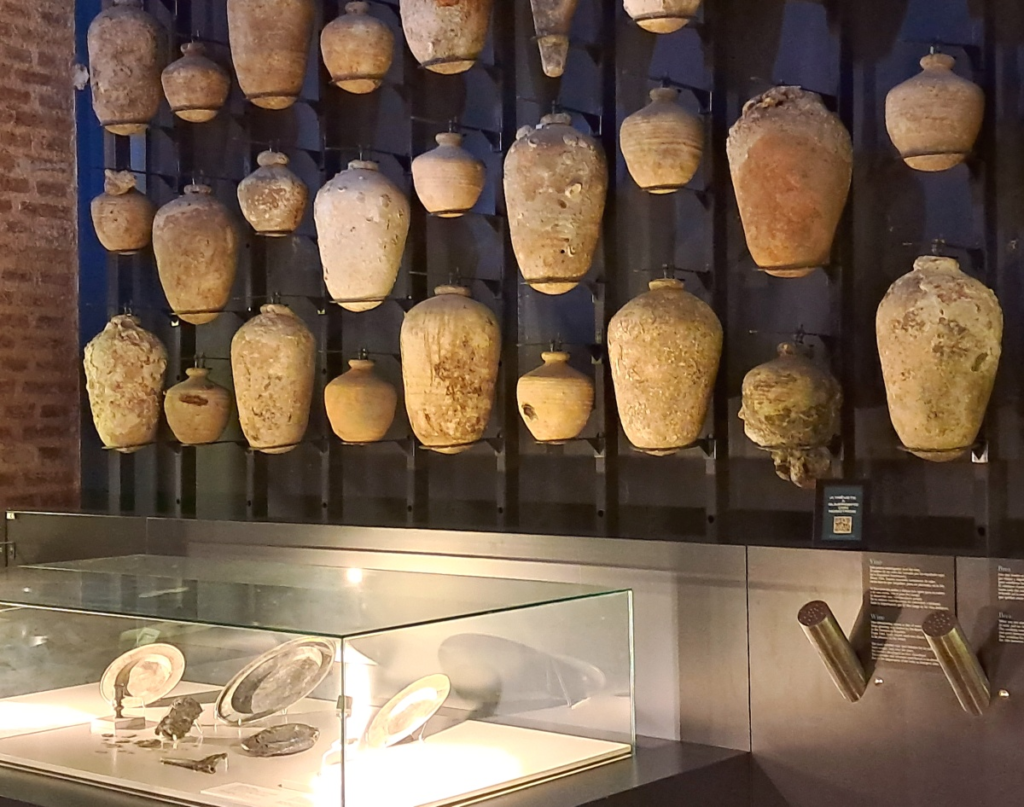
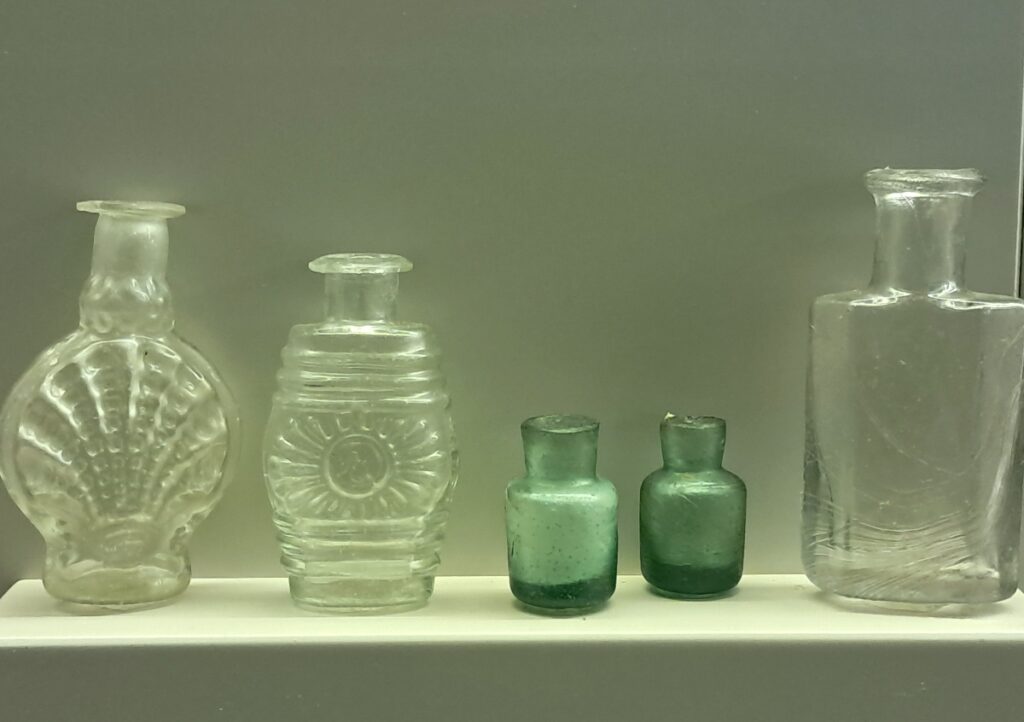
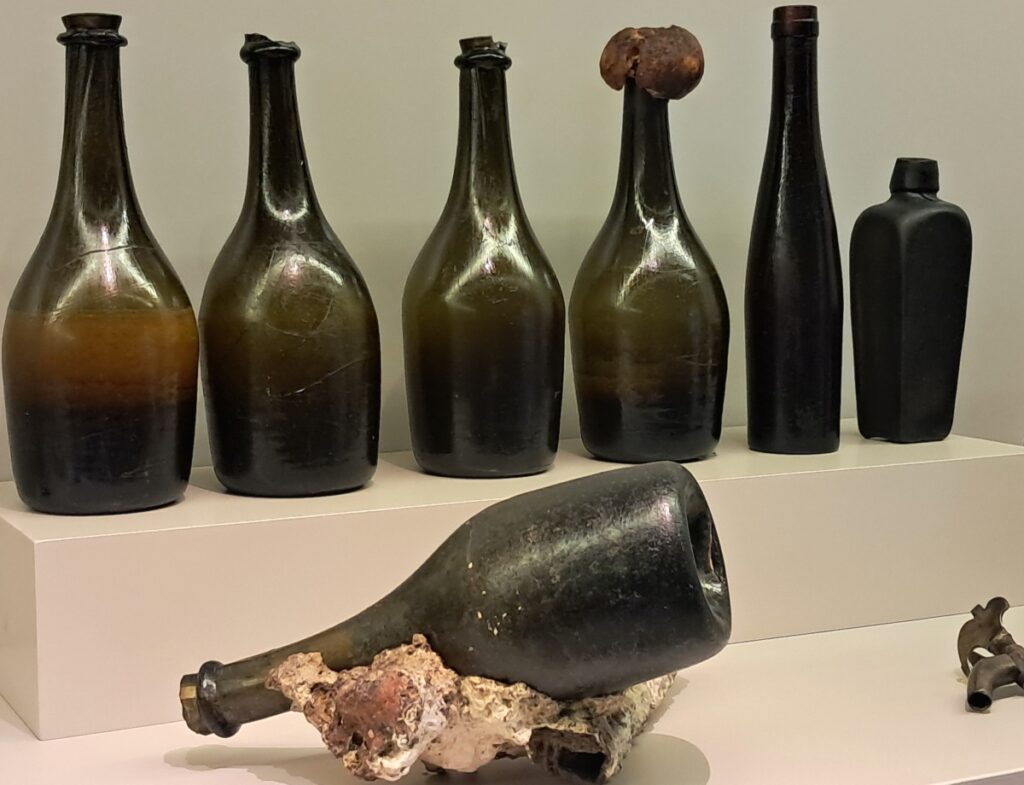
From the frigate Señora de Begoña, archaeologists recovered silver coins, watches, collections of glassware, jugs, and bottles of wine… Other underwater discoveries include sledgehammers, plates, crucifixes, medallions, and amulets… And from the so-called Perfume Ship, which sank in 1829, came porcelain, wine, and tiny perfume bottles now displayed in the museum.
Maritime museums are always fascinating for their collections of historic navigational instruments—marine compasses, astrolabes, sextants, spyglasses, and telescopes… They are beautiful objects in their own right.
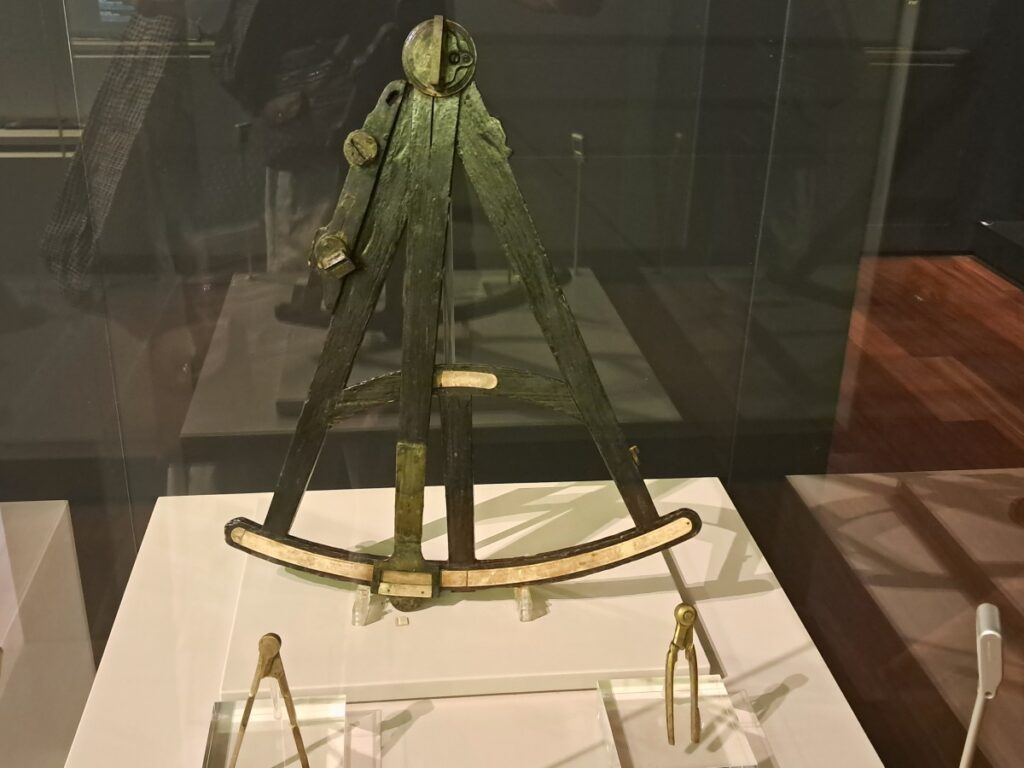
REFERENCE: An astrolabe was a sophisticated astronomical instrument based on a flat model of the night sky. Navigators used it to determine the time, latitude, the positions of celestial bodies, and even to cast horoscopes… A compass shows direction—north, south, east, and west. Simply put, a compass answers the question, “Which way should I sail?” while an astrolabe answers, “Where am I, and what time is it?” They were often used together at sea, complementing one another. The sextant, invented later, gradually replaced the more complicated astrolabe in the late 18th century. This handheld optical instrument measures the angle of the Sun or a star above the horizon. Imagine trying to calculate exactly how high the Sun has risen above the sea. Simply looking up and guessing isn’t enough. A sextant measures it with remarkable precision… Once the exact altitude of the celestial body and the correct time were known, navigators could calculate the ship’s geographic position using special tables.
INFORMATION for treasure hunters: All archaeological discoveries made in the territorial waters of the Dominican Republic are the property of the State (Law No. 564-73).
Searching for underwater treasures in the Dominican Republic is a regulated activity requiring official permits and the participation of qualified professionals…
But don’t be disappointed. The country offers fascinating recreational dives to historic shipwrecks, suitable for divers of various experience levels. One example is the wreck of the Capitán Alsina, located in the protected waters of the Montecristi National Underwater Park—an ideal place for exploration diving. Depth: 15–20 meters. Difficulty: moderate. You may also encounter sea turtles, lobsters, and coral reefs. Shipwreck diving is also available in Punta Cana (Astron Wreck, Pewter Wreck), Bayahíbe (Atlantic Princess, St. George), as well as in La Romana, Juan Dolio, Boca Chica, and Luperón.
Museo Naval de las Atarazanas. Located next to the Alcázar de Colón. You reach it by walking down a beautiful stone staircase. Tel. (809) 682-5834. Open: Tuesday–Sunday, 10:00 a.m.–5:00 p.m. The ticket office closes earlier… Closed on Mondays.
Return to Calle Isabel la Católica. At the intersection with Calle Emiliano Tejera, you will discover yet another fascinating architectural and historical landmark.