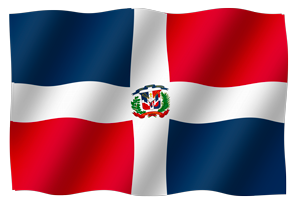
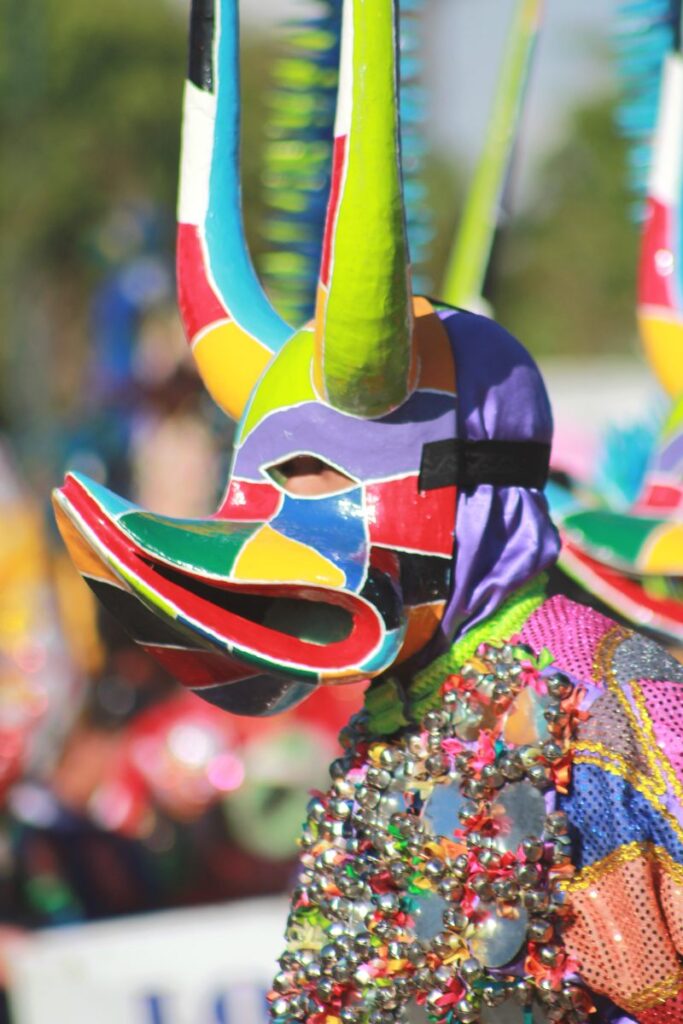
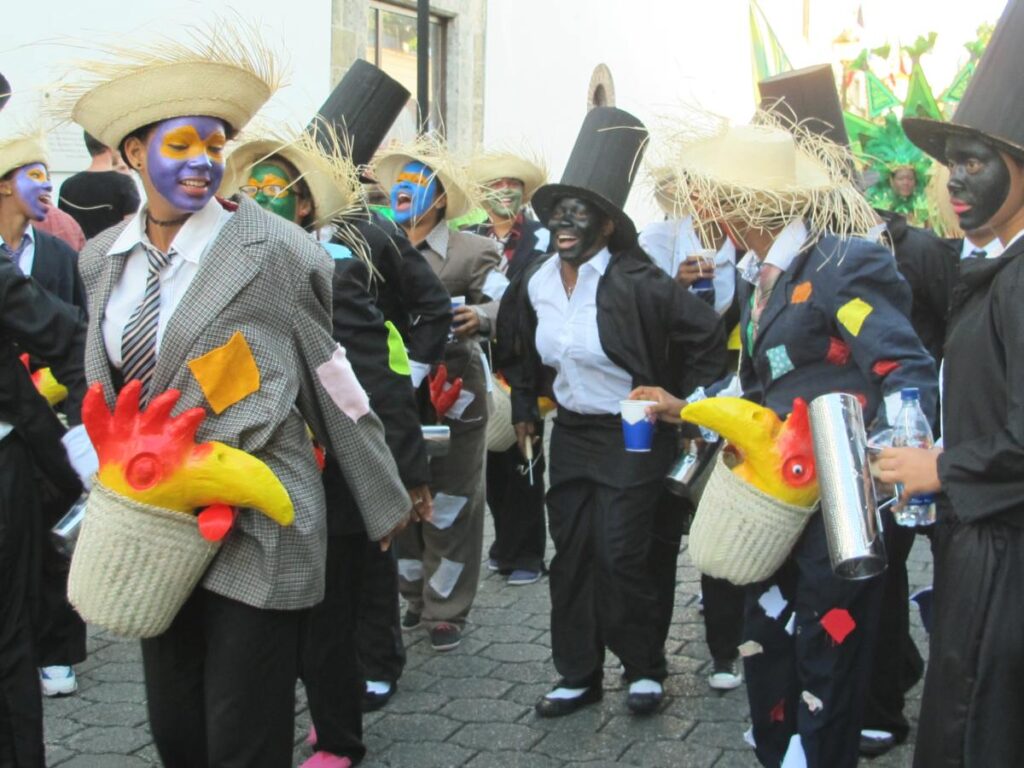
The main Carnival parade takes place on one of the days following Independence Day. In SANTO DOMINGO, the Carnival festivities are held along the waterfront. The masks you see most often are the Diablos (Devils). They look different in every city, but they all have one thing in common — a frightening devil’s face.
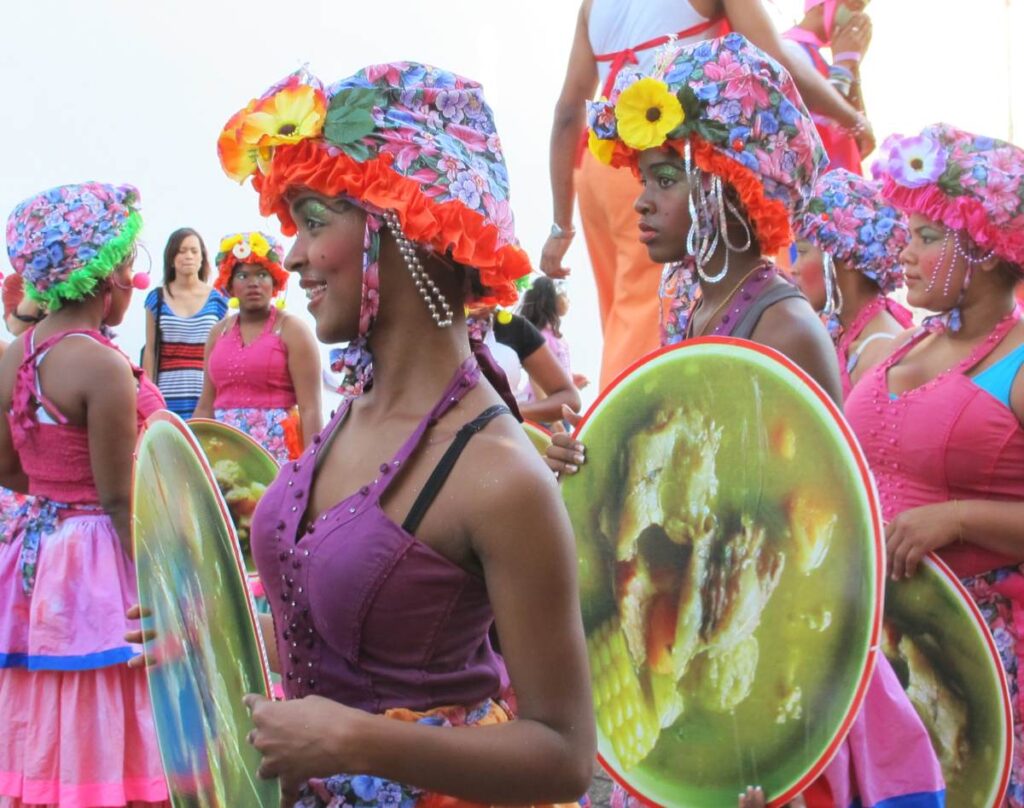
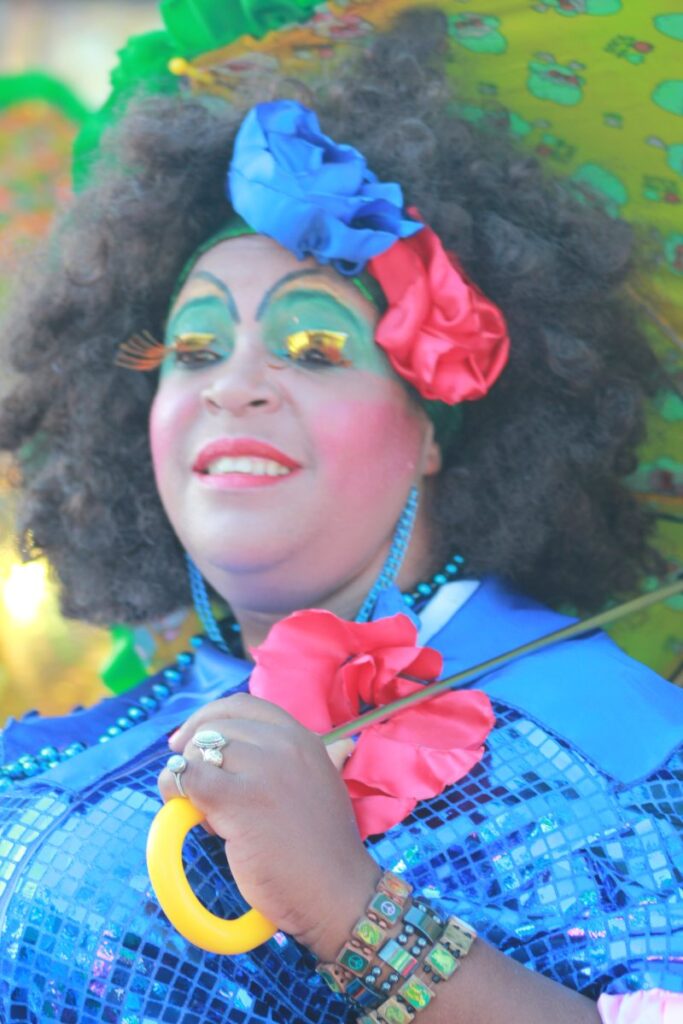
Carnivals here are celebrated on a grand scale. They are not only about bright, expressive costumes, but also about dance performances. There are plenty of beautifully decorated floats and all kinds of theatrical shows.
The masks are made using papier-mâché. The famous Dominican masks are most often created by artists from the city of LA VEGA. It is there that Carnival costumes and masks become especially elaborate — and especially expensive. And only men wear them.
NOTE: Papier-mâché is a simple and inexpensive craft. Old newspapers, magazines, even toilet paper — anything will do. The soaked paper or cardboard is mixed with glue (or starch, or plaster), stirred into a pulp, and then used to model toys, masks and theatrical props. Or you can simply paste pieces of paper onto a ready-made form — for example, a balloon — and make lightweight hanging lampshades.
The main thing is: don’t rush the drying process. Let it dry naturally, otherwise it will crack…
Papier-mâché has been around for a very long time. It was invented in China.
In the city of SANTIAGO, Carnival is full of the famous Lechones. That is the name given to Carnival devils armed with an inflated pig’s bladder. It is attached to a long cord and swung like a sling. With it, the devils gleefully smack pretty girls… and any spectators who happen to be daydreaming nearby. One of those wonderfully Dominican Carnival traditions…
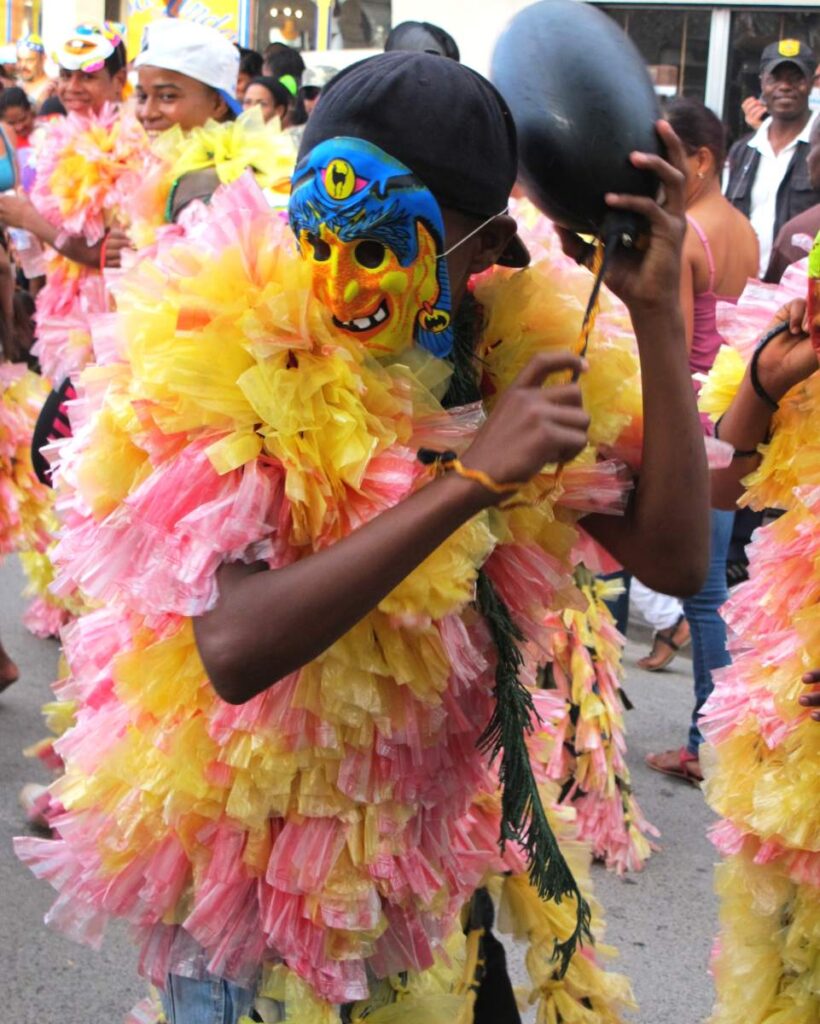
Strangely enough, nobody seems offended after being smacked. According to local belief, it brings good luck… and money.
And in the city of MONTE CRISTI, you’ll meet plenty of Toros — people dressed as bulls. They entertain themselves by “charging” unsuspecting townspeople who are peacefully enjoying the festivities…
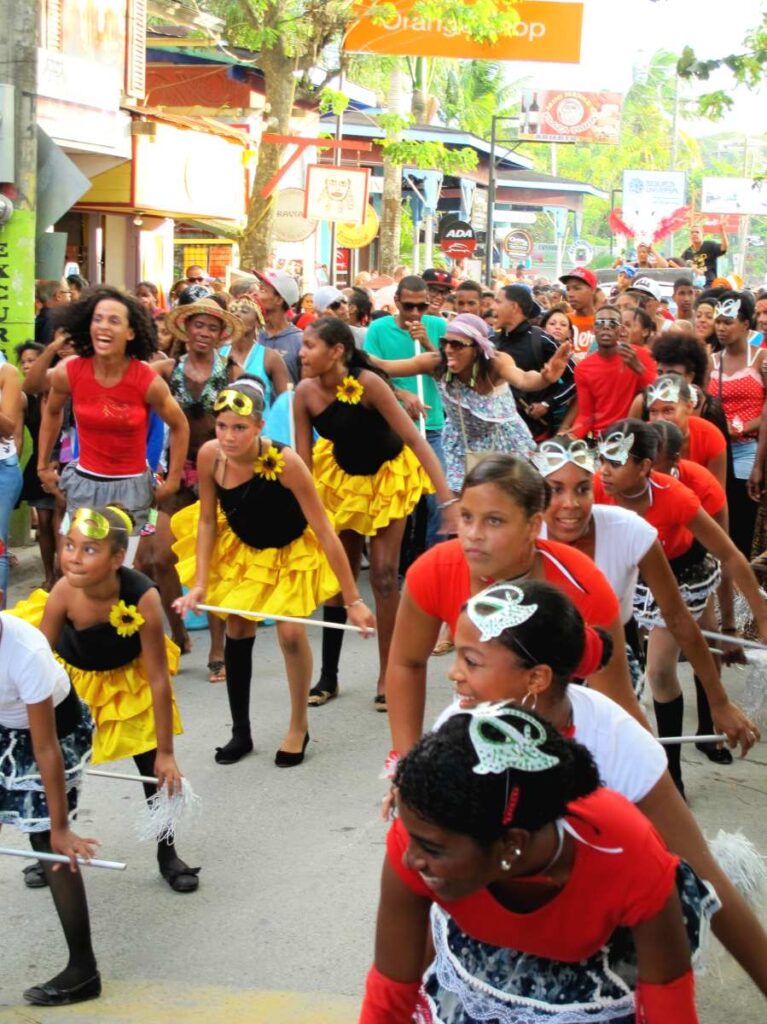
In SANTO DOMINGO, Carnival takes place twice a year. The second celebration falls on August 16, Restoration Day — the anniversary of the beginning of the war for complete independence from Spain.
The summer Carnival in August is somewhat more modest than the great winter celebration. Even so, it always attracts huge crowds of people who genuinely know how to enjoy themselves.
PEOPLE SAY that in some small Dominican towns there is an old Carnival tradition: young women are given colourful decorative bracelets in exchange for showing themselves topless.
The boldest and prettiest girls often end the day wearing an entire garland of bracelets.
And year after year people enthusiastically retell the legend of beautiful European girls who once received not just a few bracelets, but the organisers’ entire supply.
Those girls, they say, revealed rather more than just their tops. Under their short little dresses there was no underwear at all… which, of course, is hardly necessary in such a wonderfully warm climate.