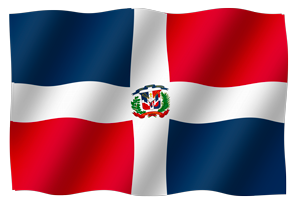
Punta Cana is an ideal place for beach lovers. Here, a strip of hotels stretches along 32 kilometres of magnificent sandy beaches, framed by the green of coconut palms and the azure blue of the sea-ocean. And this is not just a figure of speech. It is precisely here, in the east of the Dominican Republic, that the imaginary boundary runs where the waters of the Caribbean Sea and the Atlantic Ocean mingle.
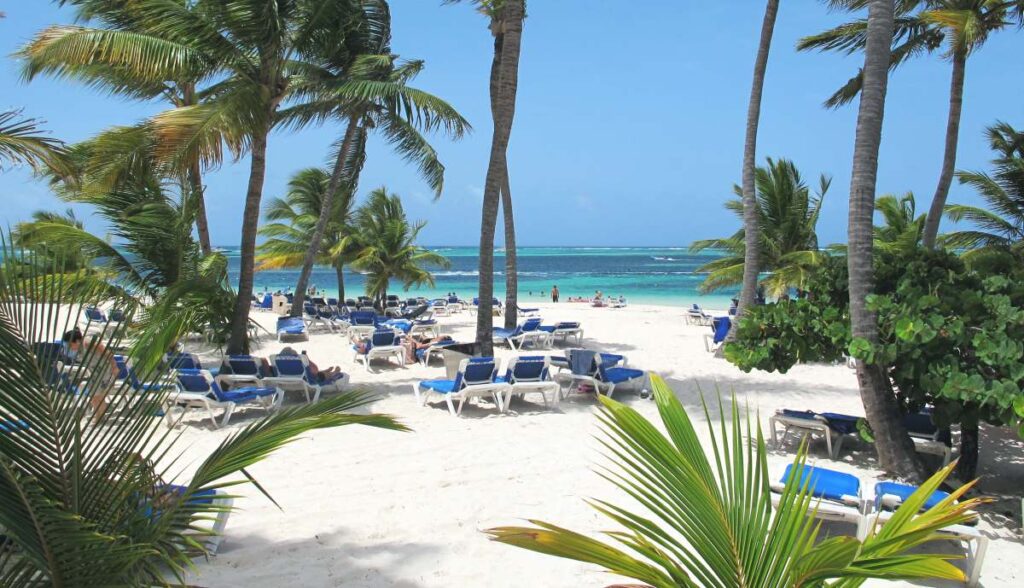
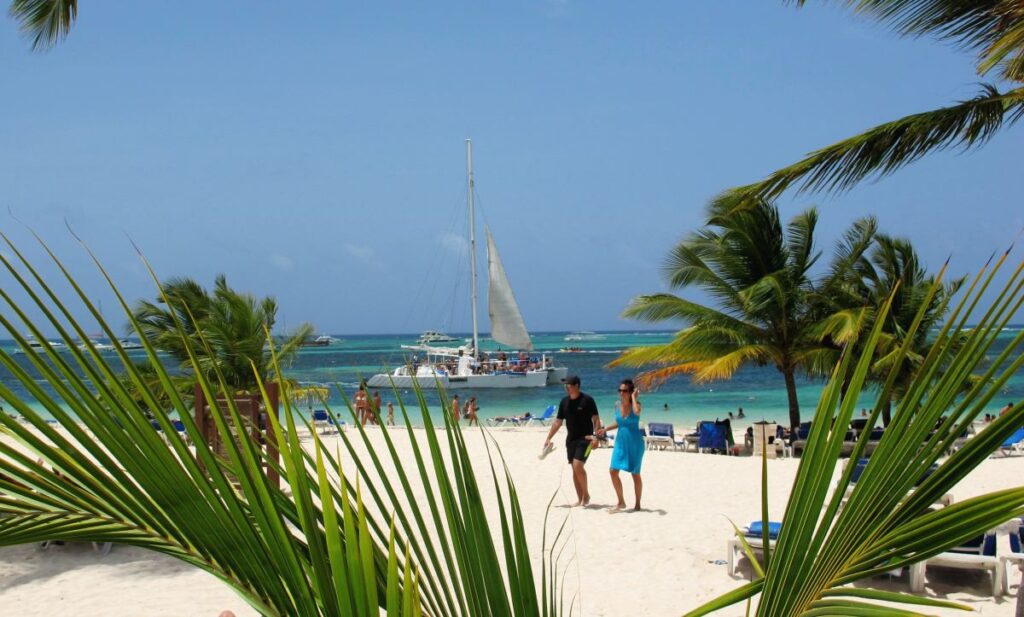
Some of the beaches are protected by barrier coral reefs, located approximately 500–800 metres from the shore. They soften the ocean waves. The water along the edge of these beaches is calmer. And swimming near the reefs is interesting. Coral reefs are an underwater world filled with colourful sea creatures. Among them are sea urchins, starfish, anemones, pufferfish, surgeonfish and all kinds of shells, including shells containing edible molluscs… If you are lucky, you may see octopuses, squid, lobsters and small moray eels…
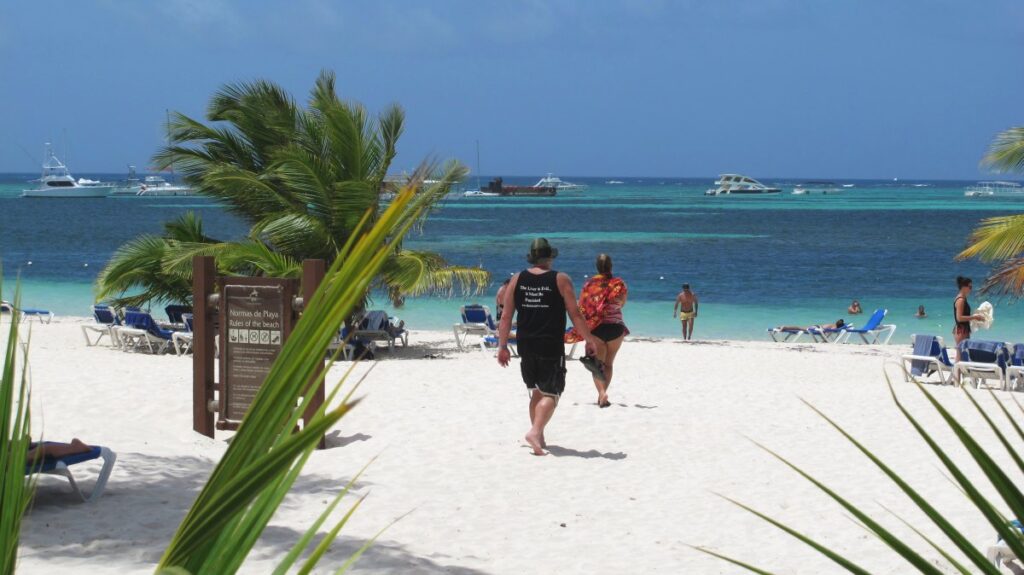
Highly tourist-oriented Punta Cana sprang up very rapidly, literally out of nowhere, in the early 1980s. Since then, the resort’s popularity has continued to grow. Today, Punta Cana welcomes almost 6 million tourists every year. People who want to relax in comfort by the sea, beneath the palm trees.
Most hotels in Punta Cana operate on an all-inclusive basis. Such tourist complexes include swimming pools, abundant and varied cuisine, and all kinds of bars and restaurants. Fitness centres, daytime and evening musical entertainment with activity organisers. And in some places there are also tennis courts, golf courses, windsurfing schools, horse riding…
Some hotels mainly welcome married couples with children. For the children, there are special swimming pools, playgrounds and staff who look after them.
The areas of Bávaro and Cap Cana form a continuation of the Punta Cana coastline. Here begin the fashionable tourist complexes, expensive private homes and villas.
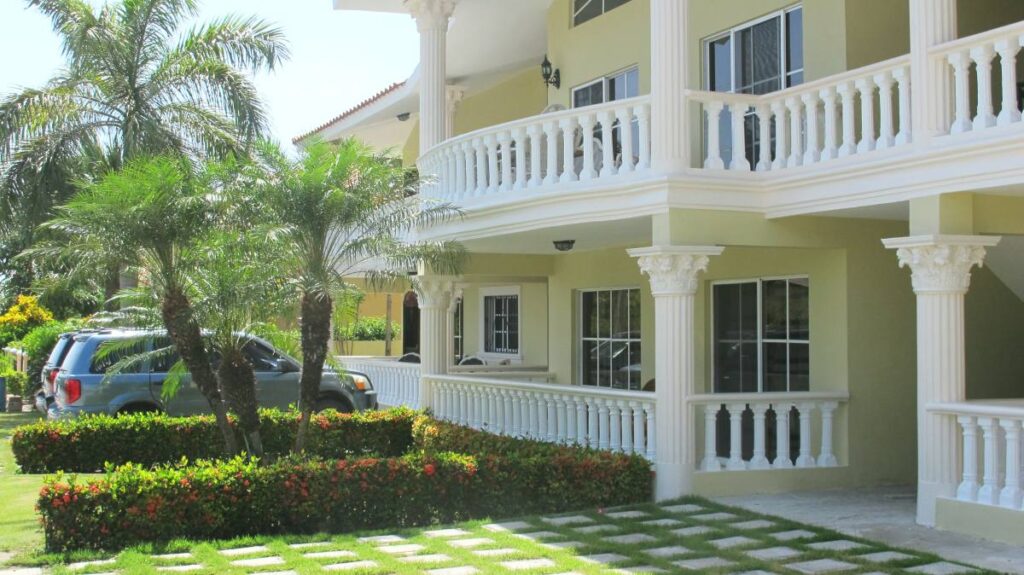
There are casinos, shopping centres and restaurants. In Cap Cana, directly on the seafront, there are three magnificent Jack Nicklaus golf courses. Please note: Jack Nicklaus is considered the world’s leading company in golf-course design. This is also where you will find one of the largest marinas in the Caribbean. Its 500 berths can accommodate yachts more than 100 feet long.
The Dominican Republic has a law guaranteeing public access to all of the country’s beaches. But in Punta Cana, Bávaro and Cap Cana, there are also so-called “private beaches”. They are well maintained and guarded. They may belong either to hotels or to the owners of nearby villas. You have every right to walk onto them and even swim there. But if you decide to use the sun loungers, someone will come over and warn you — although very politely.
Please note that Punta Cana has several yacht marinas. And Punta Cana International Airport delights arriving passengers with terminals built in the form of tropical bungalows, with decorative roofs made from palm leaves.
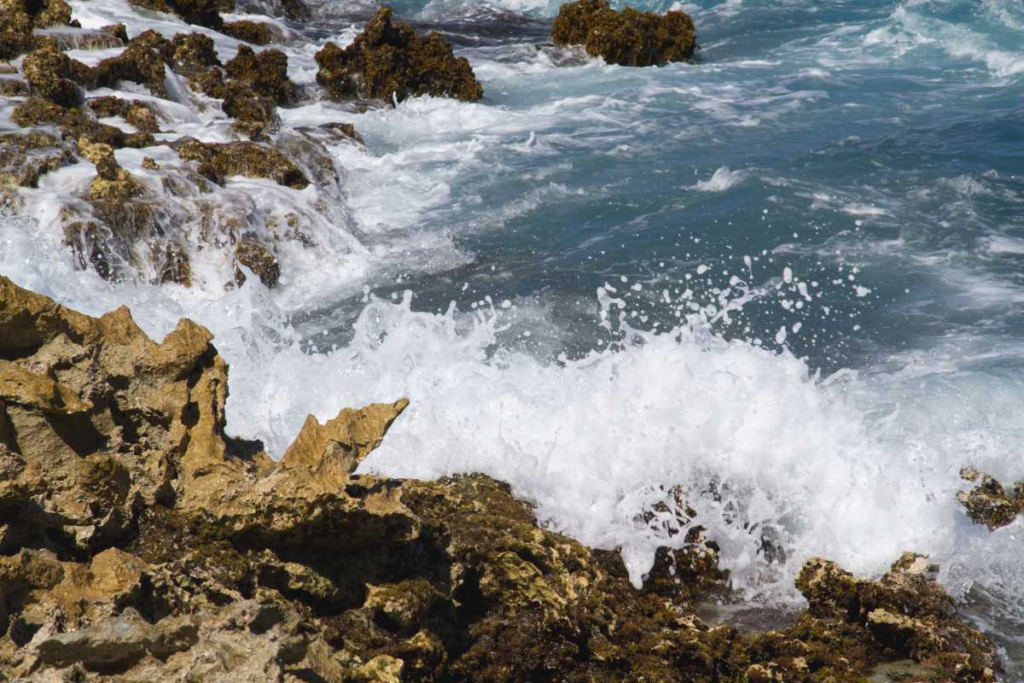
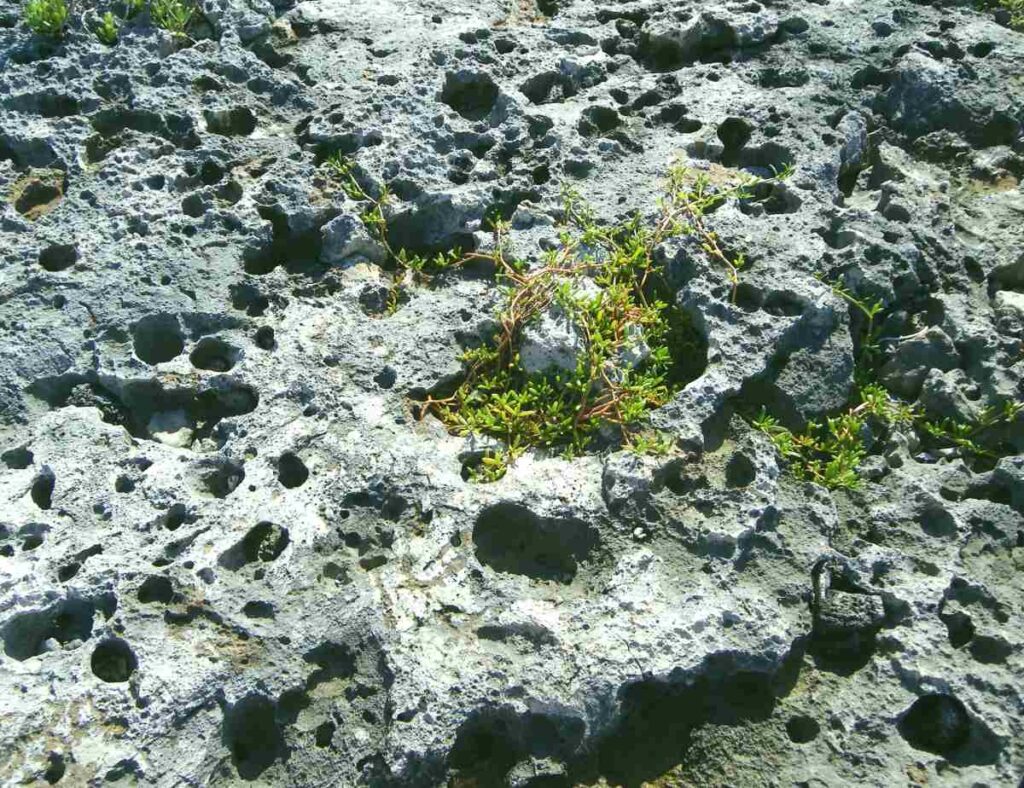
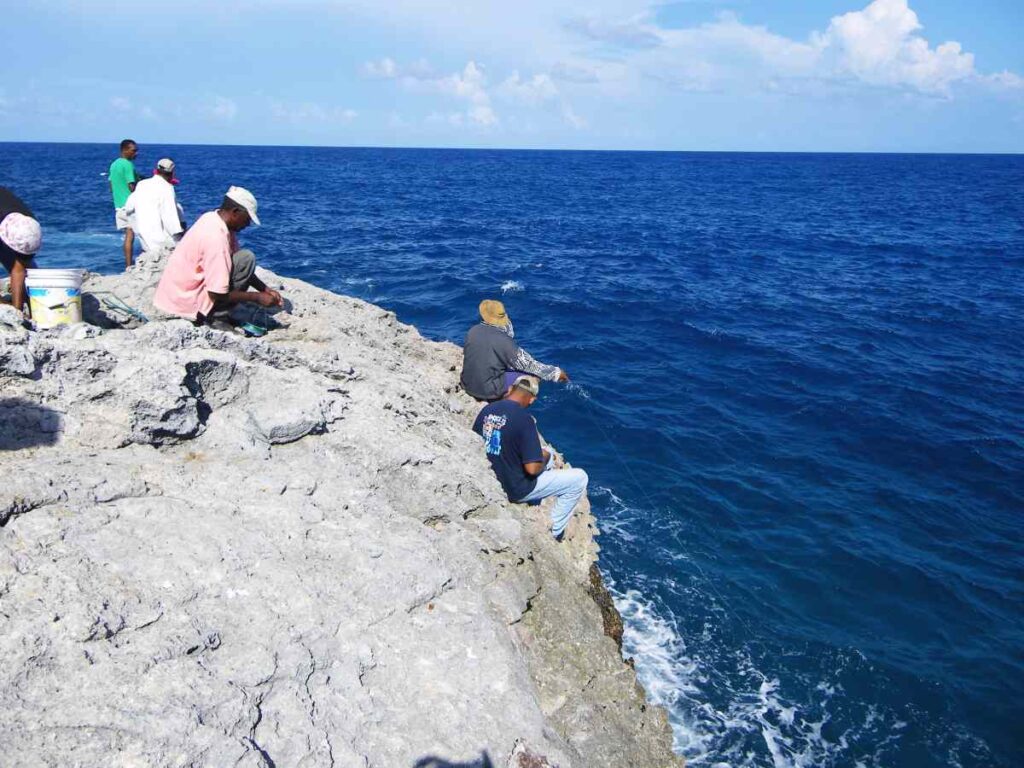
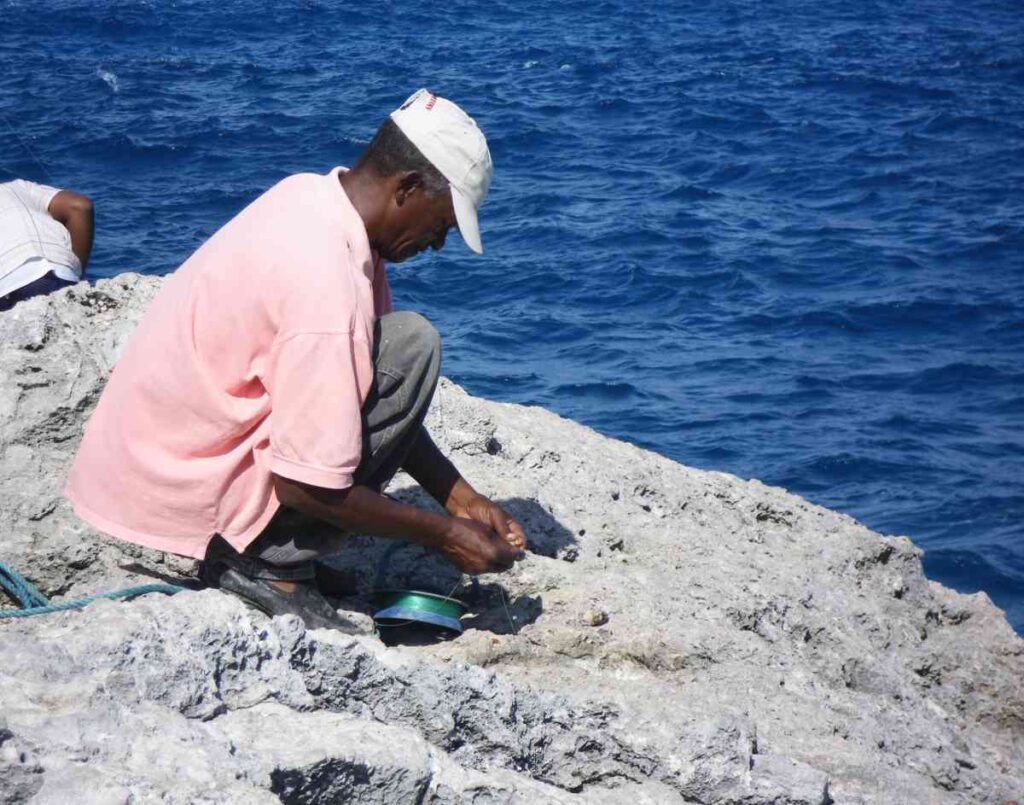
On the remote coast of Punta Cana, before reaching the airport, we came across an almost Martian landscape…
Without doubt, staying in Punta Cana itself is pleasant and comfortable. After all, everything has been planned for you. But in order not to become bored, and to experience the local character, it is worth taking excursions around the country.
A trip to Santo Domingo. The Colonial Zone is especially interesting: the oldest part of the city, with cathedrals, museums and narrow streets. The atmosphere of distant centuries still runs through the unhurried modern bustle of the Colonial Zone…
Trips to the National Parks. There, the life of the wild is carefully protected.
A visit to mysterious and romantic Samaná, with the charming town of Las Terrenas, in the north of the country…
Only in this way can you discover the real Dominican Republic. And take home more impressions than the familiar, mass-produced image of the country — although, without question, it is a beautiful one.