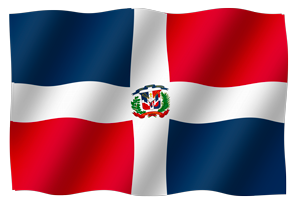
About the Dominican Republic. It is many different things. Wonderful and surprising, poor and rich, simple and complicated. Different.
QUICK FACTS:
Population: Around 3–3.7 million people live in the capital, Santo Domingo. The population of the entire country is about 11.6 million.
Food: The Dominican Republic produces enough agricultural products to feed itself. And exports quite a lot as well. The quality of the food is excellent. Frozen meat is not sold in the country, only chilled meat.
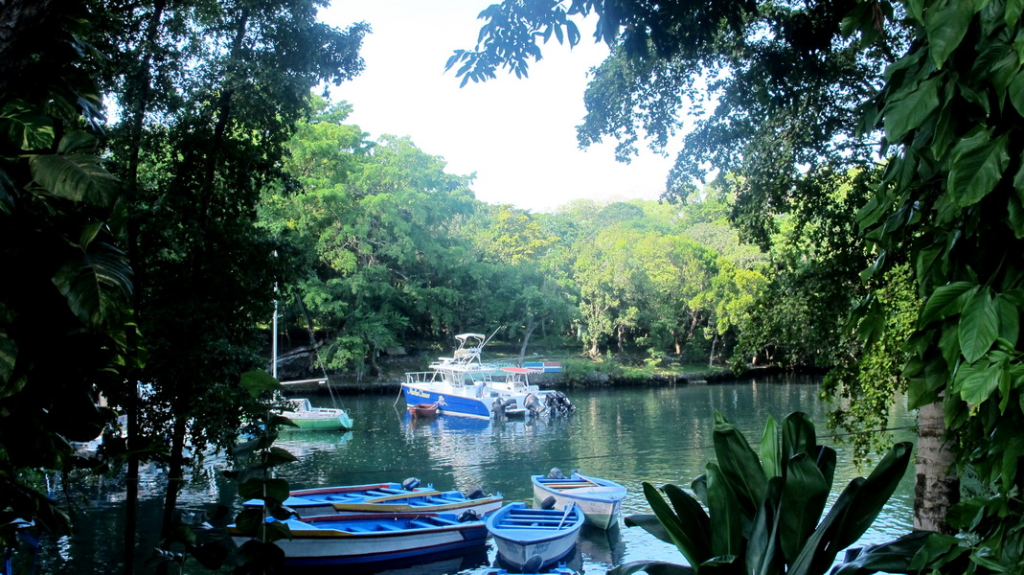
Tourism: The country welcomes 12 million tourists a year. And the number continues to grow…
Safety: According to the U.S. Department of State, the Dominican Republic is placed in the same category as popular European destinations such as France and Italy. Travelers are advised to avoid walking alone at night, use reliable transportation, and follow the usual safety precautions… The Dominican Republic has a special tourist police unit called CESTUR. CESTUR provides additional security in the country’s main tourist areas, including Punta Cana, the historic Colonial Zone of Santo Domingo, and Puerto Plata…
Trade: Strong trade relations and friendly ties with the United States.
Useful geology: Mineral extraction includes gold, silver, nickel, as well as bauxite, copper, iron ore, rock salt, gypsum, limestone, and more… There are many semi-precious stones, including amber and larimar. According to expert estimates, the Dominican Republic’s rare-earth metal reserves exceed 100 million tons. The mining industry is an important source of export revenue for the country.
Industrial activity: A well-developed light manufacturing and cosmetics industry. Medical equipment is produced for export. There is also a diverse food-processing industry, including export rum, coffee, cocoa, and sugar. Environmentally friendly products are exported. Cement and construction materials are produced, along with building and decorative stone. Construction. And much more.
Politics: They are friendly with everyone and treat everyone with respect. And the Dominican Republic receives the same attitude in return. For Latin American countries, it is a traditional place for meetings and peace negotiations — rather like Switzerland in Europe.
Laws: Reasonable and sensible.
Taxes: Also reasonable and not excessive.
Business: The government genuinely supports projects that contribute to the country’s development. New roads and infrastructure are being built. There are many incentives for different types of business. Tax-free zones are available.
Healthcare: Emergency medical care is available to everyone, including tourists and non-residents. The country has both public and private medical institutions. Public healthcare is accessible, but its resources are limited. Public hospitals are almost always overcrowded and underfunded. As a result, examinations and medicines are generally provided there as additional paid services… Since April 2025, foreigners without residency status have had to pay the full cost of their treatment in public hospitals… Private clinics offer a high standard of medical care and modern equipment, especially in Santo Domingo, Santiago, and resort areas such as Punta Cana. But, as everywhere in the world, treatment there is noticeably more expensive… Overall, the health of the Dominican population is good, although uneven. Health insurance helps cover the cost of medical services… Tourists should also carry their own travel insurance, just in case…
Nature conservation: There are many nature reserves and protected areas. Even outside the reserves, cutting down trees is prohibited. As a result, natural forests are preserved. There is enough fresh water, many underground rivers, and artesian springs. And there are plenty of surface rivers as well. The country has many beautiful caves, waterfalls, and karst lakes.
What is clearly lacking: a growing shortage of electricity and an insufficiently competitive level of telecommunications services. This is an excellent field for development and investment.
VALUABLE ADVICE.
* When you visit the Dominican Republic, do not drink too much rum. A treacherous drink, you know…
* And one more important thing. The tropics are the tropics. When it is hot, people sweat and lose body fluids… To feel well, you need to drink bottled water. It is sold everywhere.
LIKA: “Before Columbus, Americans were forced to live in Europe and Africa”…
What you can buy as SOUVENIRS:
Paintings – They are sold everywhere. In cities, on beaches, and in practically every village, canvases are displayed for sale. Bright and sunny. They will look excellent both at home and in an office.
Amber – It can be fantastically green or blue when chipped or polished. It glows with colored reflections in the sunlight. And there is Dominican larimar, a blue stone that looks like something between opal, turquoise, and marble. Also beautiful. It looks especially good set in silver. You can find original and inexpensive handmade pieces. Not necessarily in shops — there are many small workshops.
Cigars. It is better to buy them from cigar workshops. There are many of them here.
Dominican rum — Barceló, Brugal, and others… A good gift for friends.
When you have time, take a walk through the flea market in Santo Domingo — vintage ceramics, costume jewelry, and items made of stone and metal. It operates on Sundays in the Colonial Zone, on Calle Las Damas near the Pantheon. You can find some curious things there…