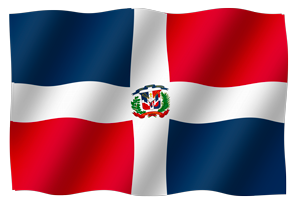
The city’s full name is Santa Cruz de Barahona (Spanish: “Holy Cross of Barahona”). But it is usually called simply Barahona. It is the administrative centre of the province. Located 204 km from the capital. The south of the country. The Pedernales Peninsula. Neiba Bay (Bahía de Neiba). The Caribbean coast.
Barahona is still not very touristy. It is brown from the generous sun. There is a great deal of wild nature here. Its beauty is a mixture of mountains, stone, rivers and sea…
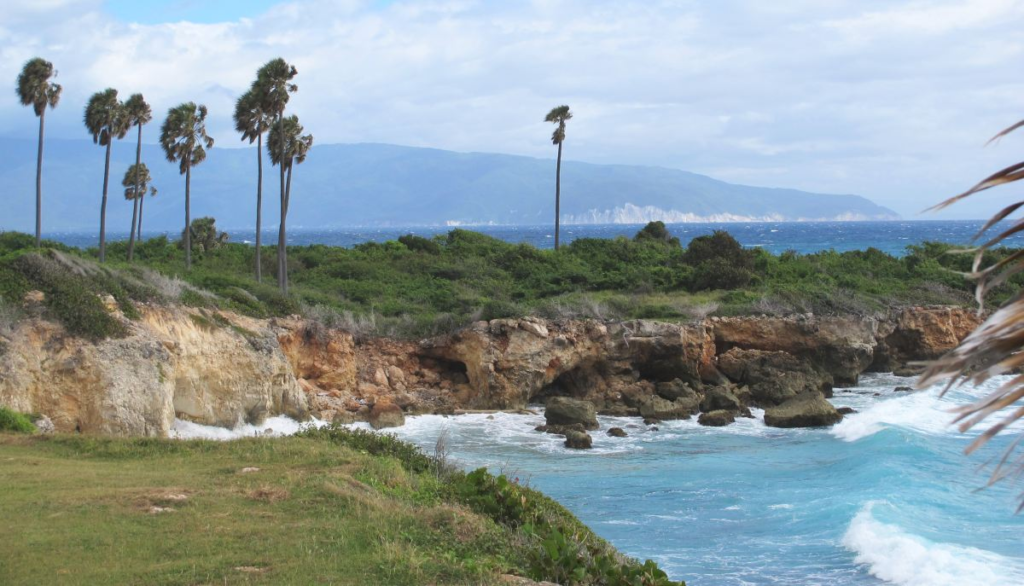
Until the 15th century, the indigenous people, the Indians, lived here. And with the arrival of the Spanish colonists, small agricultural enterprises and cattle ranches appeared. They became the foundation of the future settlements.
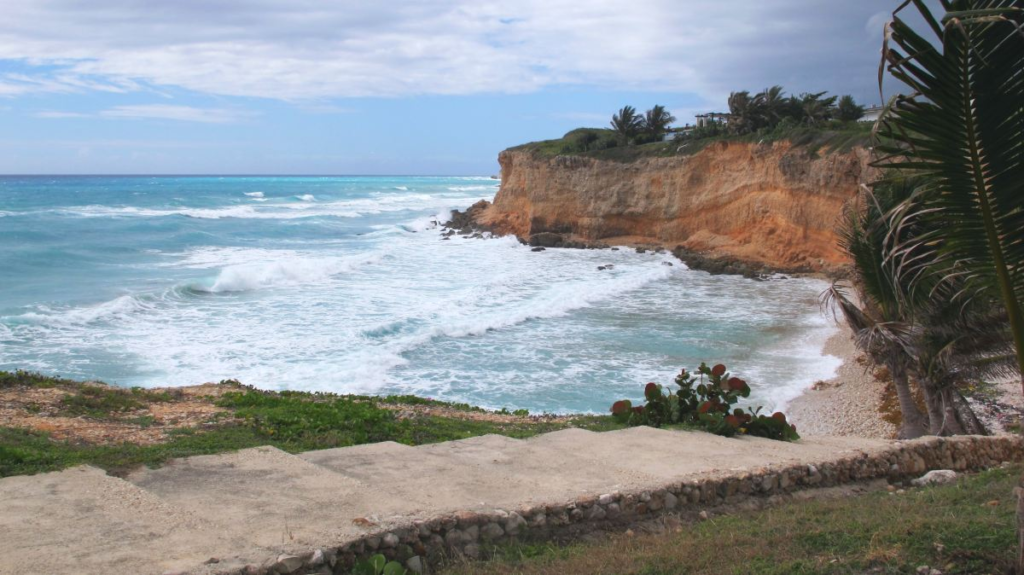
And pirates were fond of Neiba Bay. In some places it was very convenient for them. Protected from the sea by reefs and difficult to reach from the land. It is believed that the legendary pirate Cofresí also hid here for a time.
NOTE: Roberto COFRESÍ (Roberto Cofresí) was from Puerto Rico. (1791–1825). From childhood, he dreamed of the sea. At that time, Puerto Rico was a Spanish colony with a difficult economic and political situation. This drove him to become a pirate. Among the freebooters, he gained the reputation of a sea-going Robin Hood. He is credited with successful attacks on ships carrying gold. Under pressure from other countries, the Spanish authorities began hunting Cofresí. His schooner, “El Mosquito” (Spanish: Mosquito), was captured. He and his crew were executed by firing squad. A monument to him was erected in his homeland.
Barahona is a city with a port. But port life has never been particularly active. The port served only for the export of sugar from the Barahona Sugar Factory and locally grown Barahona Type Coffee.
NOTE: “Barahona Type Coffee”. An exquisite Arabica variety from the highland region of Barahona. When hot, the coffee has notes of chocolate, nuts and caramel. As it cools, shades of tropical fruit appear — banana and guava. Experts note that the coffee acquires this unique sweetness because it is grown in the shade beneath guava trees… It is considered one of the finest coffees for gourmets.
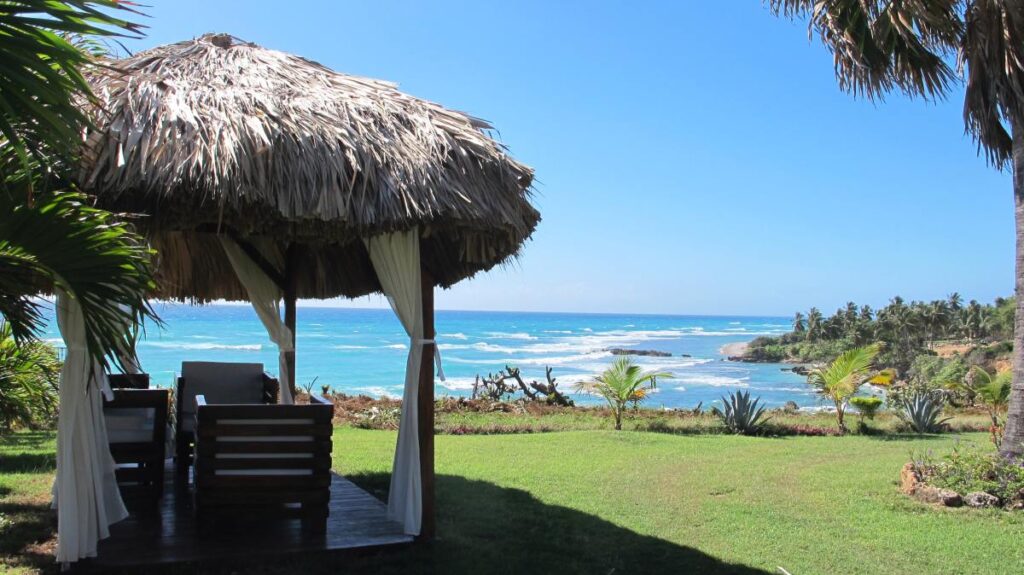
In 2025, a project began to modernise the piers for tourist cruise ships. And possibly even to build a cable car. The country’s Ministry of Tourism hopes to turn this region into a promising destination. There are high mountains and vast forests here. A great variety of flora and fauna. There is a beach coastline. And nearby are nature reserves — Jaragua and Sierra de Bahoruco.
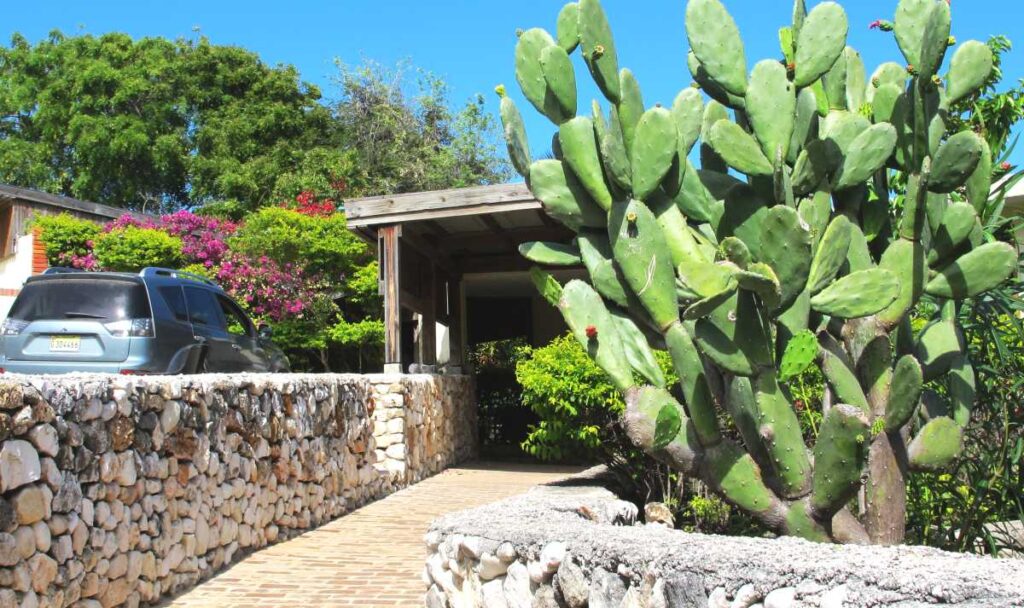
The city of Barahona itself is built in a colonial architectural style. Mostly pleasant wooden houses, although somewhat weathered in appearance. Traditionally, there is a central square — Plaza Central. And the city has its own Technical University.
The Barahona region is known for its beautiful minerals. In the Sierra de Bahoruco mountains, 10–15 km from the city of Barahona, lies the world’s only deposit of LARIMAR.
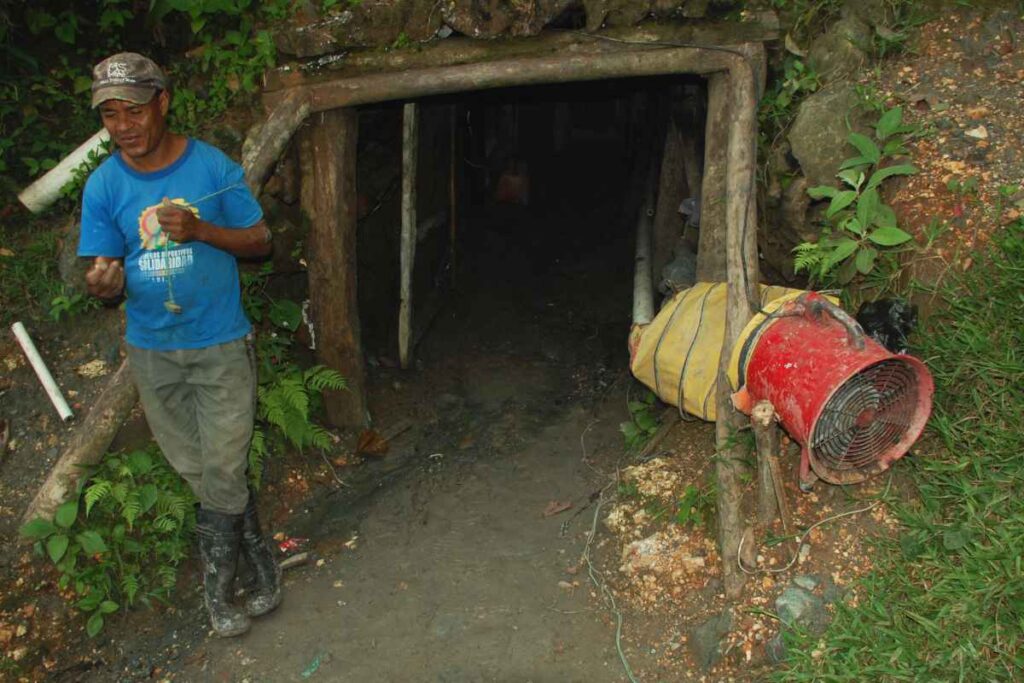
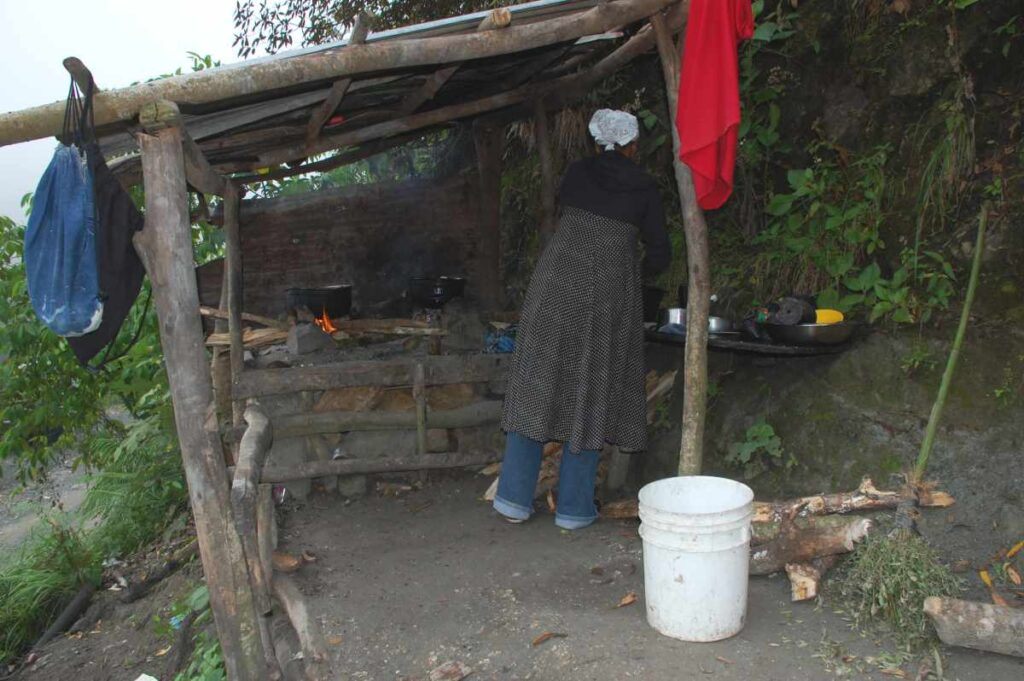
The larimar mines are located at a fairly substantial altitude, and there are many of them. In the past, it was possible to make an expedition to the mines. Uncut larimar was inexpensive. You could make an arrangement and watch how it was mined. The only obstacle was that most of the mines were located in places difficult to reach by car…
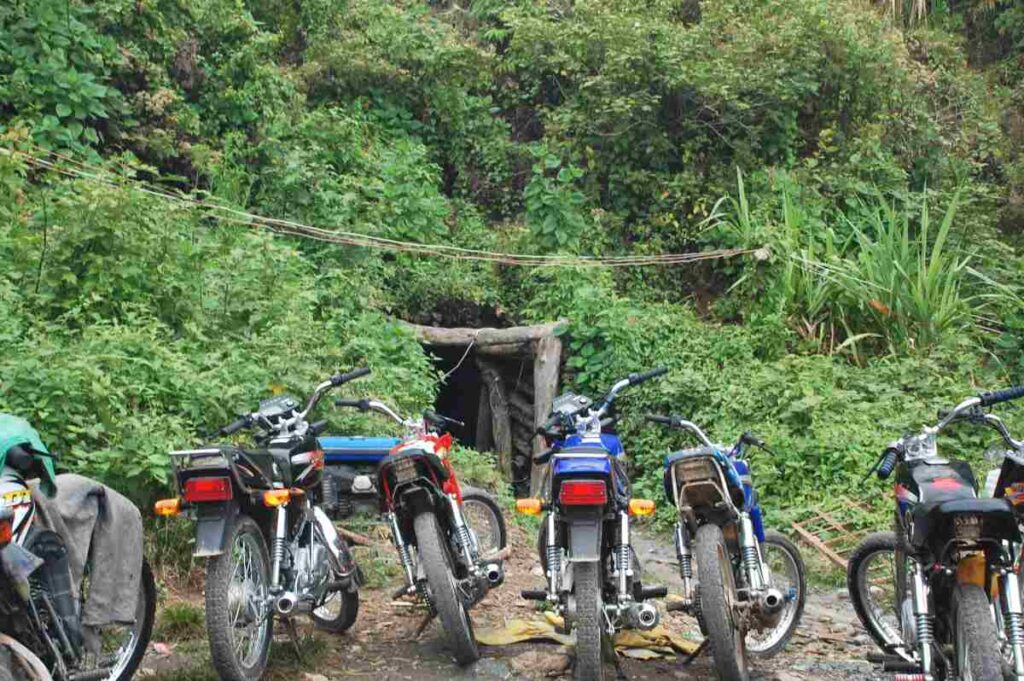
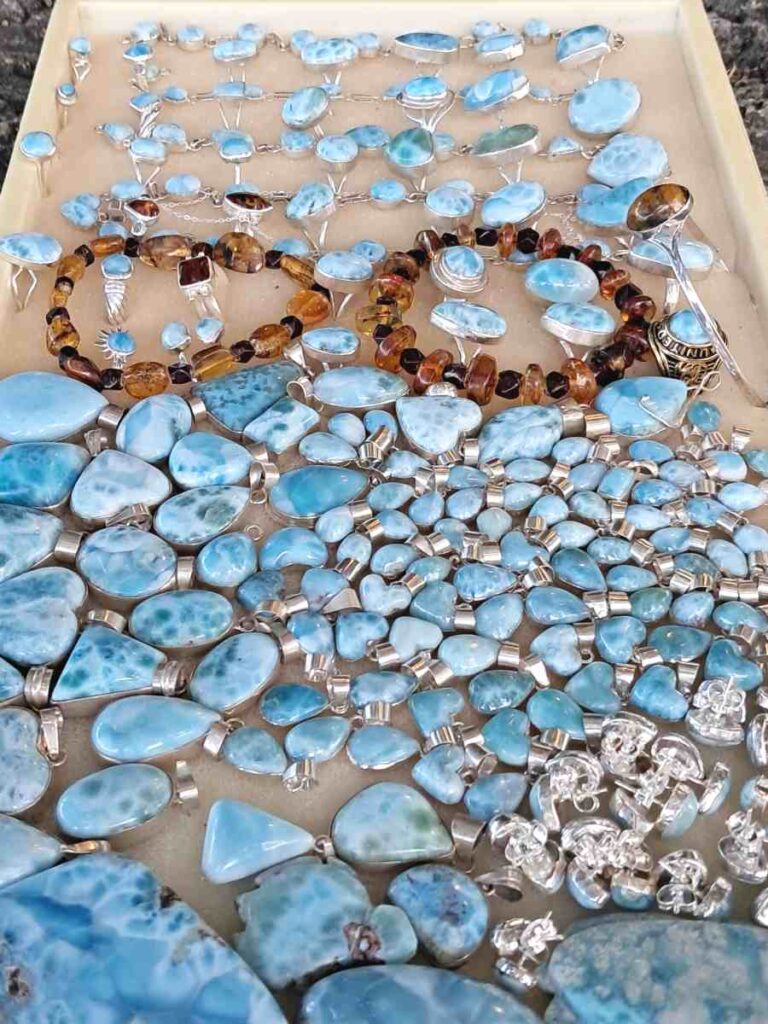
NOTE: Larimar is a rare semi-precious stone — a variety of pectolite. Its sea-blue colour with pale veins comes from its volcanic origin and traces of copper. It was officially discovered in 1974 by the Dominican Miguel Méndez, although local people had found it much earlier. The name “Larimar” was formed from the name of Méndez’s daughter, Larisa, and the Spanish word “mar” — sea.
But please PAY ATTENTION: since 2025, everything has changed. The country received a Certificate of International Registration for larimar — “Larimar Barahona” — in Lisbon. Larimar was declared the national stone. A Larimar Day was established. Larimar extraction became part of the mining industry. The industrialisation of stone mining began. Control mechanisms were strengthened, along with the formalisation of trade in this mineral. Half of all larimar extracted usually remains in the country. Here, larimar is turned into handicrafts and jewellery. Larimar mining is beneficial to the Dominican Republic. It provides thousands of direct and indirect jobs for the population…
And this treasure also replenishes the national treasury. In the first half of 2025 alone, export certificates for larimar worth about 15 million US dollars were issued. Larimar was sent to China, the United States, India, England, Germany and Italy. According to official information, the volume of exports doubled.
Near the city is an international airport named after María Montez — Aeropuerto Internacional María Montez.
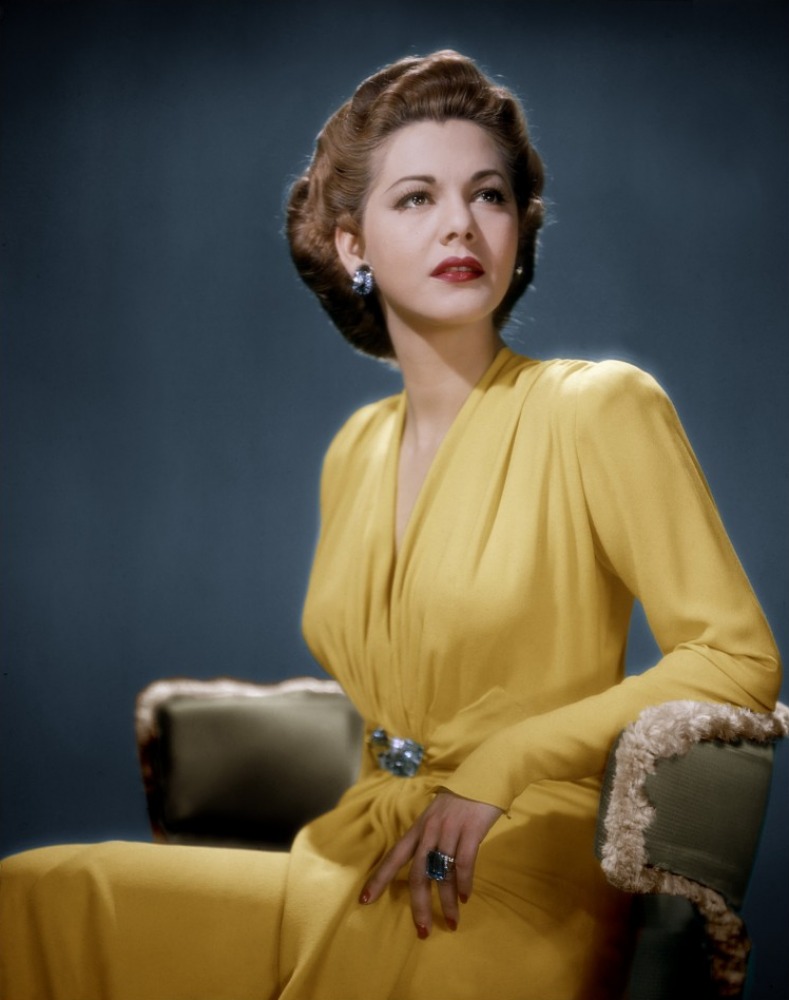
NOTE. María Montez (1912–1951). Born in Barahona. Her real name was María África Gracia Vidal. She was the first Dominican actress in Hollywood. Her popularity came in the 1940s. She appeared in exotic adventure films — Oriental bazaars, jungles, harems, deserts with palm trees and all the appropriate costumes. She moved to the United States in 1939. Worked with Universal Pictures. She became famous for her beauty and flamboyant costumes. She died in Paris of a heart attack at the age of 39. In the Dominican Republic, she is a source of national pride. There is a museum dedicated to her in Barahona and a theatre named in her honour. In Santo Domingo, María Montez is often mentioned as a symbol of Dominican culture.