According to the Dominican version of the story, it was Father Billini who, in 1877, discovered the true remains of Christopher Columbus inside the Cathedral of Santo Domingo. Until then, it had generally been believed that the great navigator’s remains had been taken out of the country and buried in Cuba… Spain, however, officially maintains that Columbus rests there, although there are a few inconsistencies in the Spanish version of the story… (We’ll tell you about Columbus’s “journeys after death” a little later.)
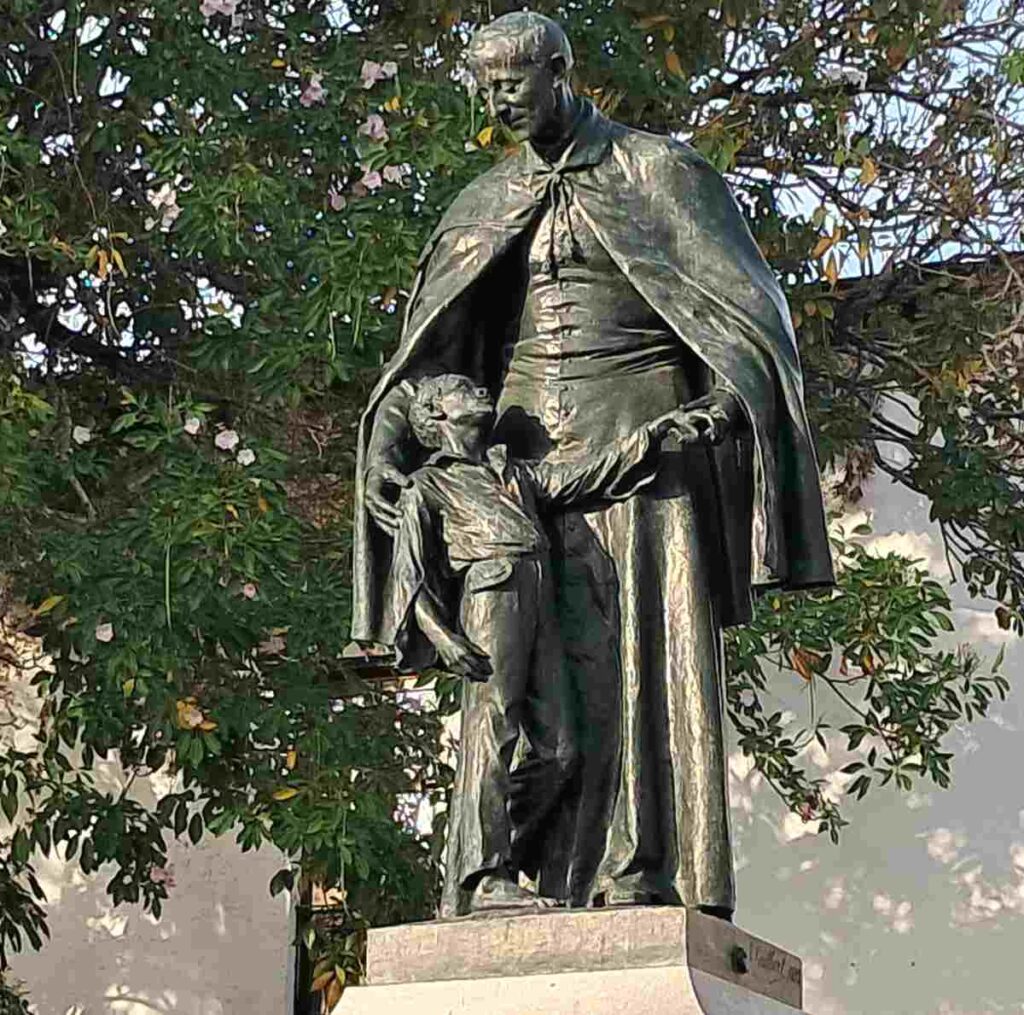
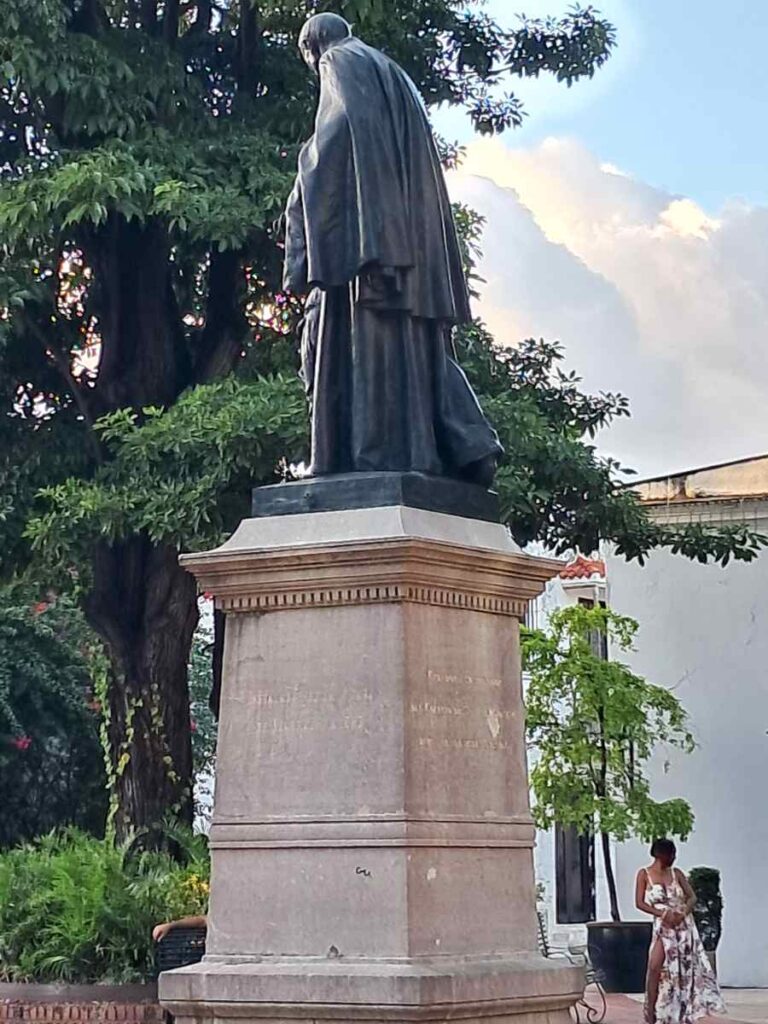
Both the square and the nearby street bear the name Padre Billini (Plaza Padre Billini). The history of this little square is rather unusual. It once occupied the site of the magnificent colonial mansion Casa de Garay, built in the early 16th century. A bitter legal dispute broke out between neighboring families over the property. The winning family was awarded ownership—but to prove that they had fought for justice rather than personal gain… they ordered the historic house to be demolished. The site remained an empty lot for some time. Later it was purchased by Damián Báez, the son of President Buenaventura Báez, who donated it to the city. At the end of the 19th century, the square and the monument to Padre Billini were created here. Today it is a charming corner of the Colonial Zone, shaded by mature trees, surrounded by elegant restaurants, and centered around a graceful monument.
REFERENCE: Francisco Xavier Billini (1837–1890) was a 19th-century Catholic parish priest, educator, and philanthropist. He dedicated most of his life to helping the poor, the sick, and orphaned children, establishing shelters, schools, hospitals, a children’s newspaper, and the country’s first public library. To finance these charitable projects, he issued shares, organized fundraising campaigns through newspapers, and even created an enormous charity bazaar where local residents donated everything from jewelry to children’s toys. In the Dominican Republic, these initiatives are considered the inspiration for the creation of the National Lottery. While searching for new ways to fund charitable work, Padre Billini laid the foundations for what eventually became the Dominican National Lottery. Thanks to his efforts, the Colonial Zone’s first hospital for poor patients was established on Calle Santomé, replacing a former prison. Today this teaching hospital bears his name: Hospital Docente Padre Billini. It is still operating, although only partially, as a major long-term restoration project continues.
NOTE. To paraphrase a famous line from Kurt Vonnegut’s novel Cat’s Cradle: “…Whatever people set out to create, somehow they always end up producing weapons.” Something rather similar happened with lotteries. During the 19th century, many countries and cities introduced them as a way to raise money for hospitals, schools, and public projects. Over time, however, these worthy ideas gradually evolved into ordinary gambling. The Dominican Republic followed the same path. Today lotteries are incredibly popular throughout the country. Everywhere you’ll notice small kiosks and offices marked Banco—these are lottery outlets. The fascination continues…
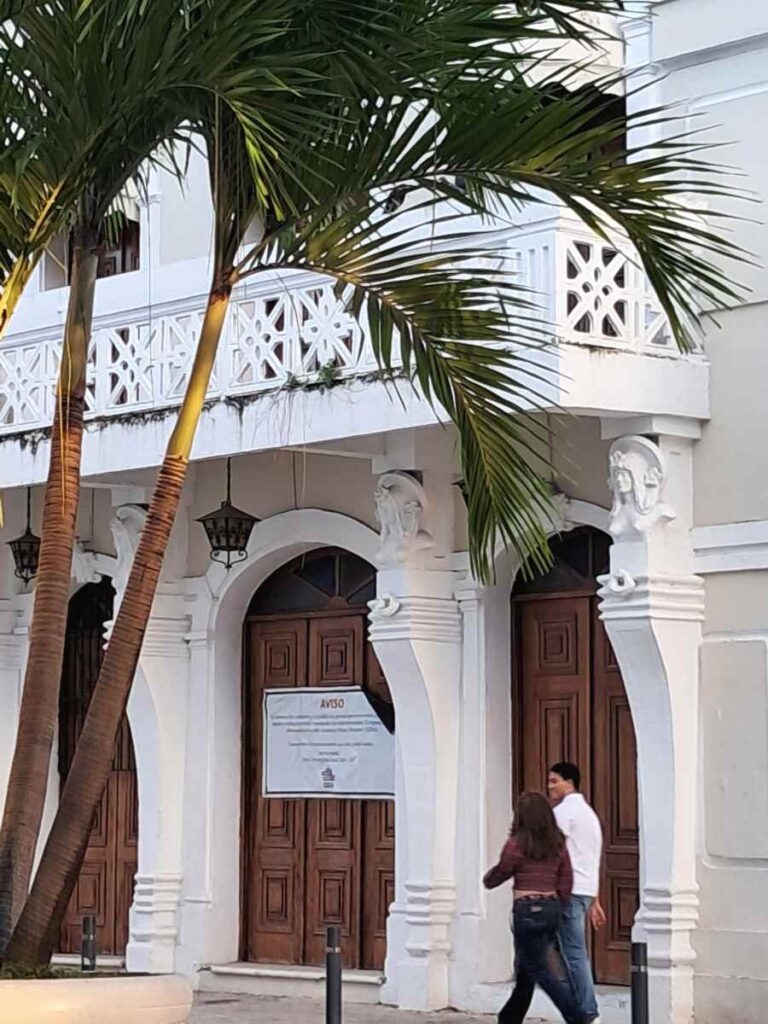
The monument to Padre Billini is generally attributed to the French sculptor Ernest Guilbert, who also created the monument to Christopher Columbus in Colón Park (Parque Colón).
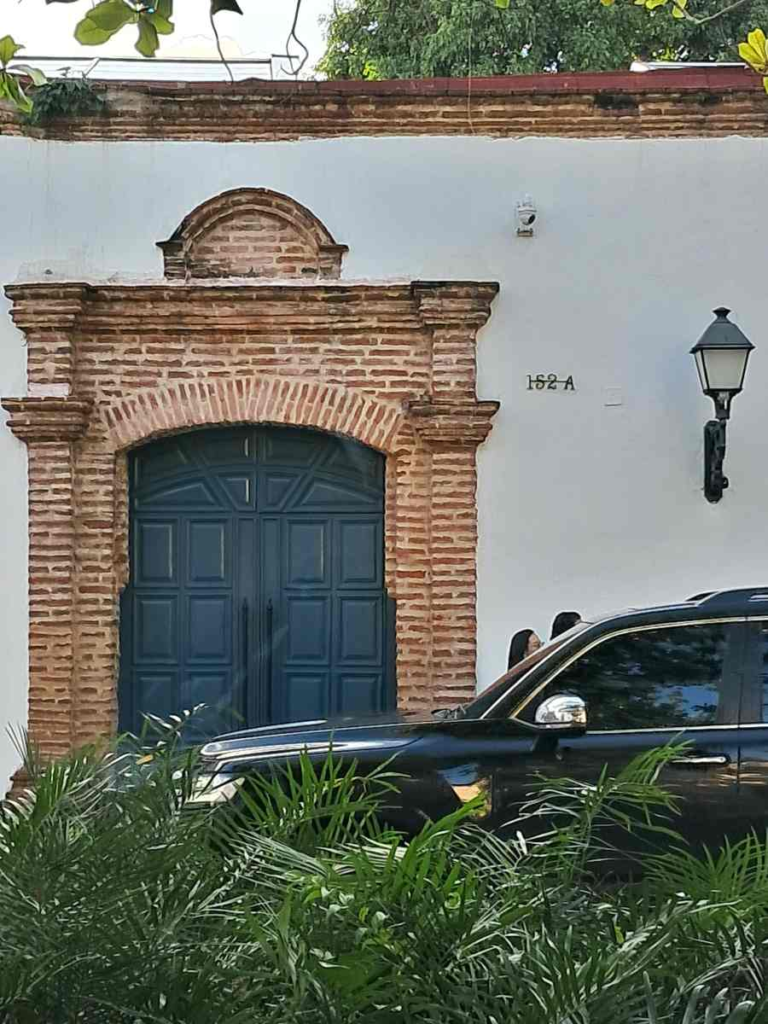
The interesting museum we were heading for is located in the corner building just across the street.