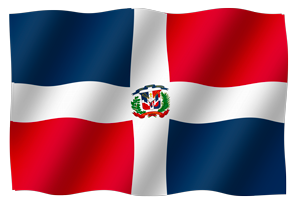
This building was once the Jesuit Monastery of Saint Ignatius of Loyola (Convento de San Ignacio de Loyola), together with its church, built during the colonial era.
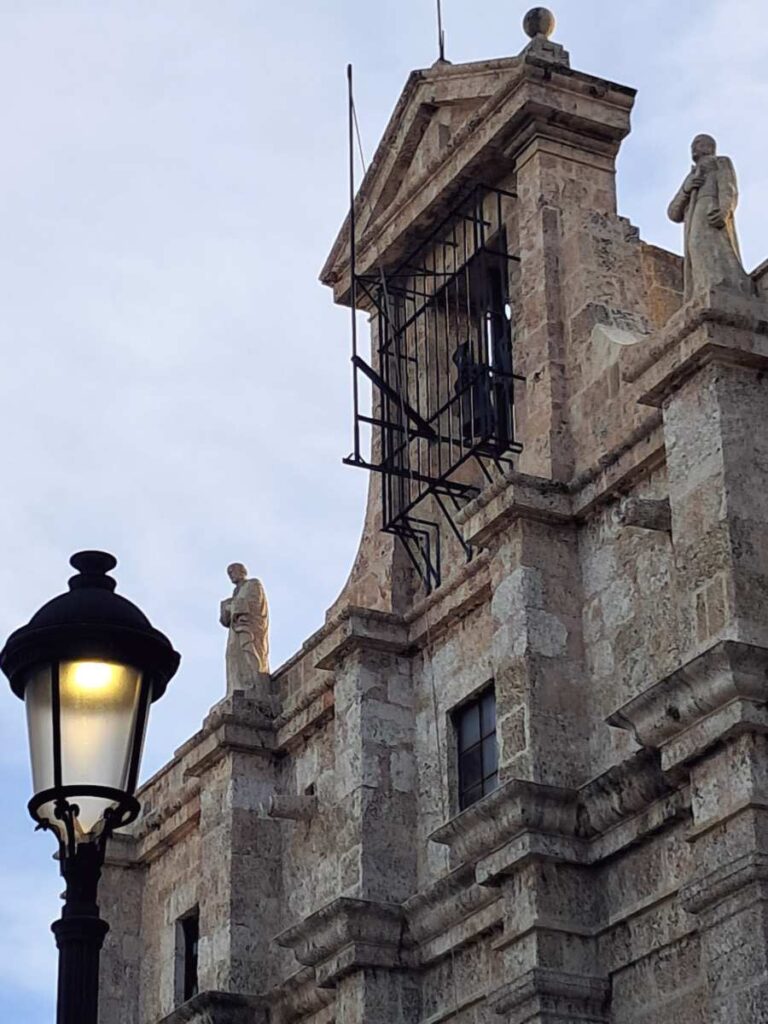
By decree of the Spanish King Charles III, the Jesuits were expelled in 1767 from all Spanish territories, including the colony of Santo Domingo. The official explanation was that the Jesuit Order posed a threat to the authority of the Crown… The royal treasury, meanwhile, was enriched by the confiscated property of the Jesuits…
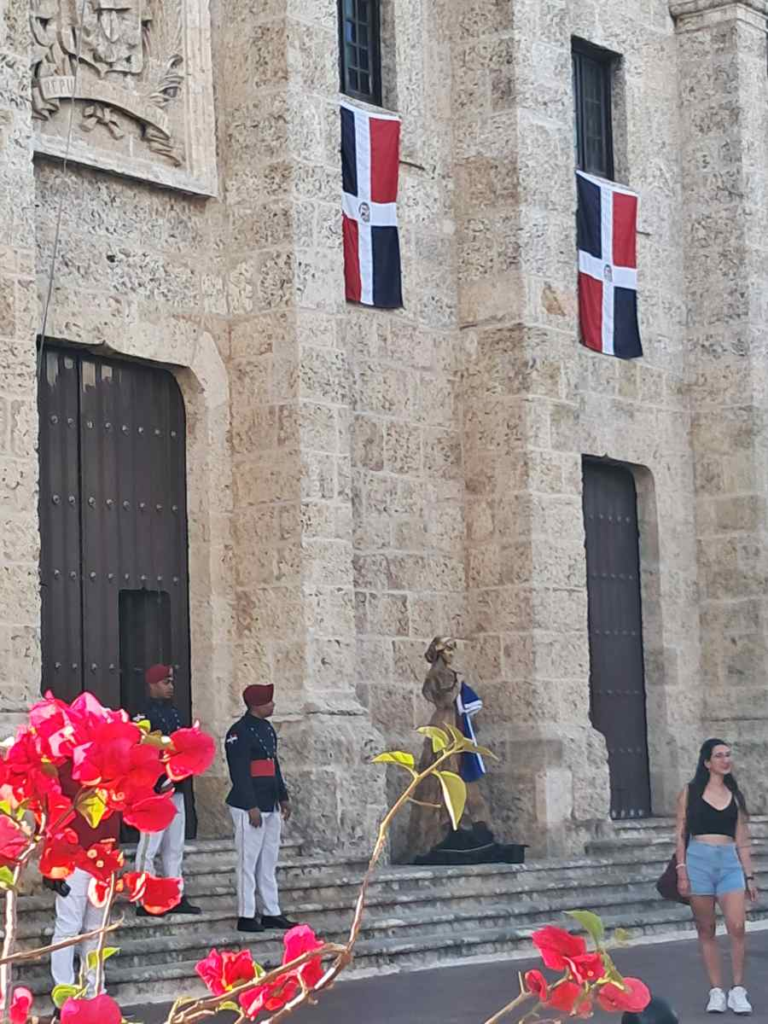
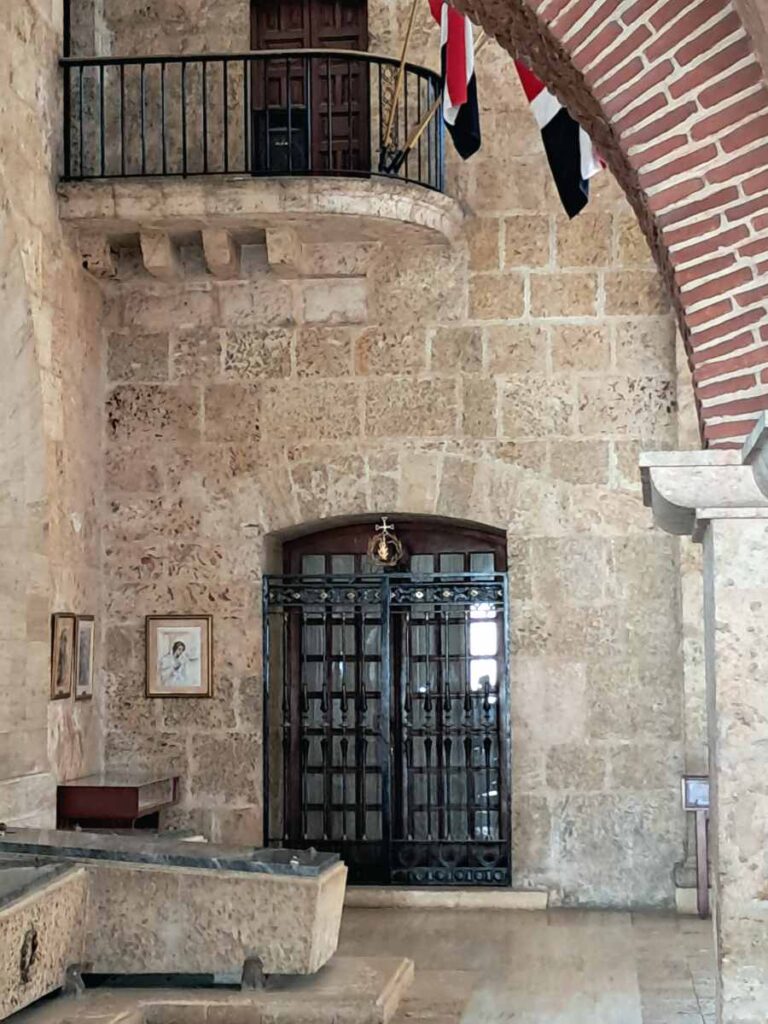
After the Jesuits were expelled, the church served for many years as a tobacco warehouse. Later, the Society of Literature Lovers established the first Dominican theatre there. Afterwards, another theatre occupied the building. Government offices followed… And it was inside this very church that the National Pantheon was created in the 1950s.
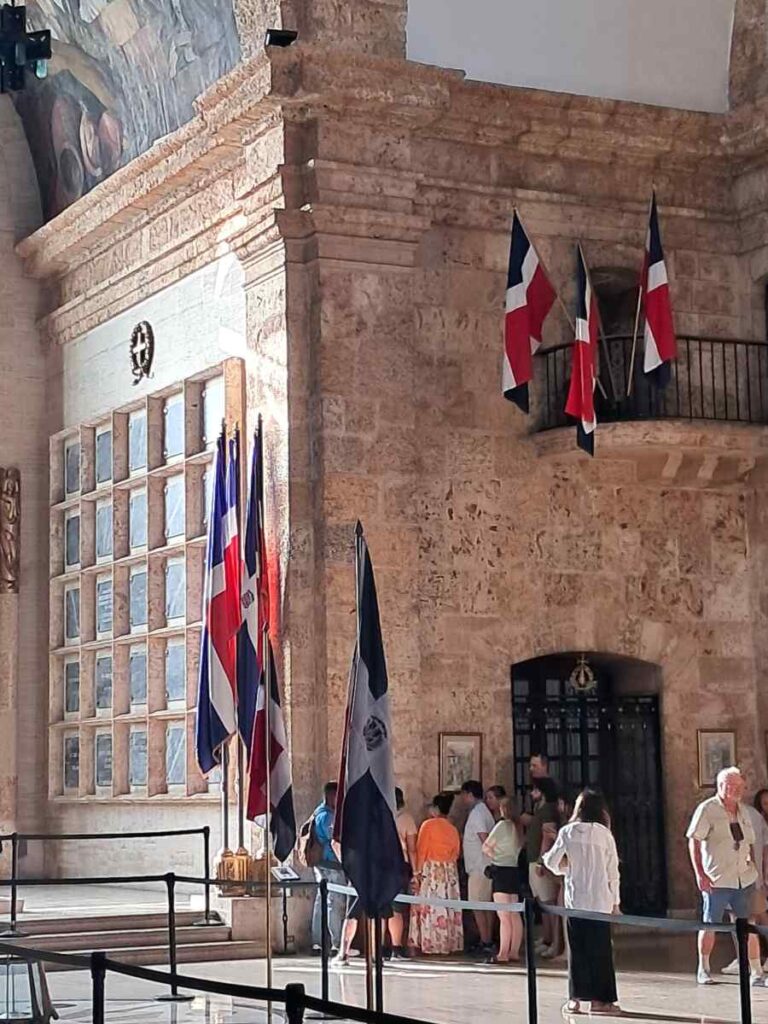
By order of the Dominican dictator Trujillo, the building underwent an extensive restoration. Marble was used lavishly to create monumental tombs dedicated to the nation’s heroes. The most magnificent tomb of all, however, was intended for Trujillo himself… But because of the bloody repression carried out during his rule, he was never buried there…
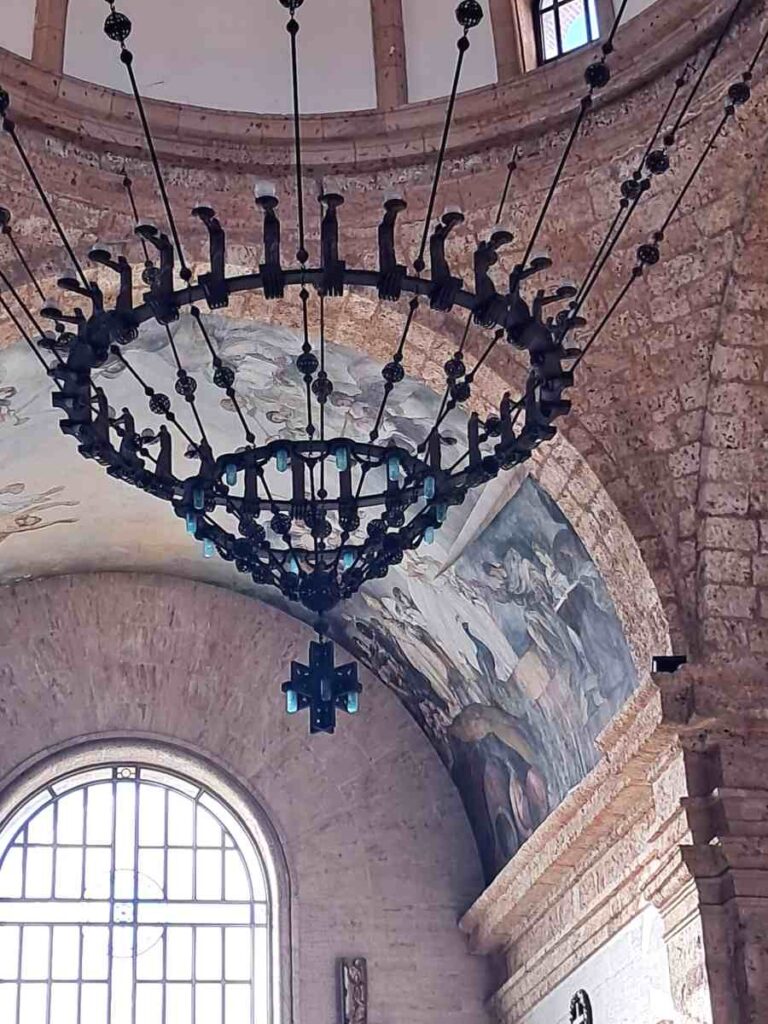
The enormous bronze chandelier is truly impressive… It was presented by the Spanish dictator Francisco Franco to the Dominican dictator Rafael Trujillo.
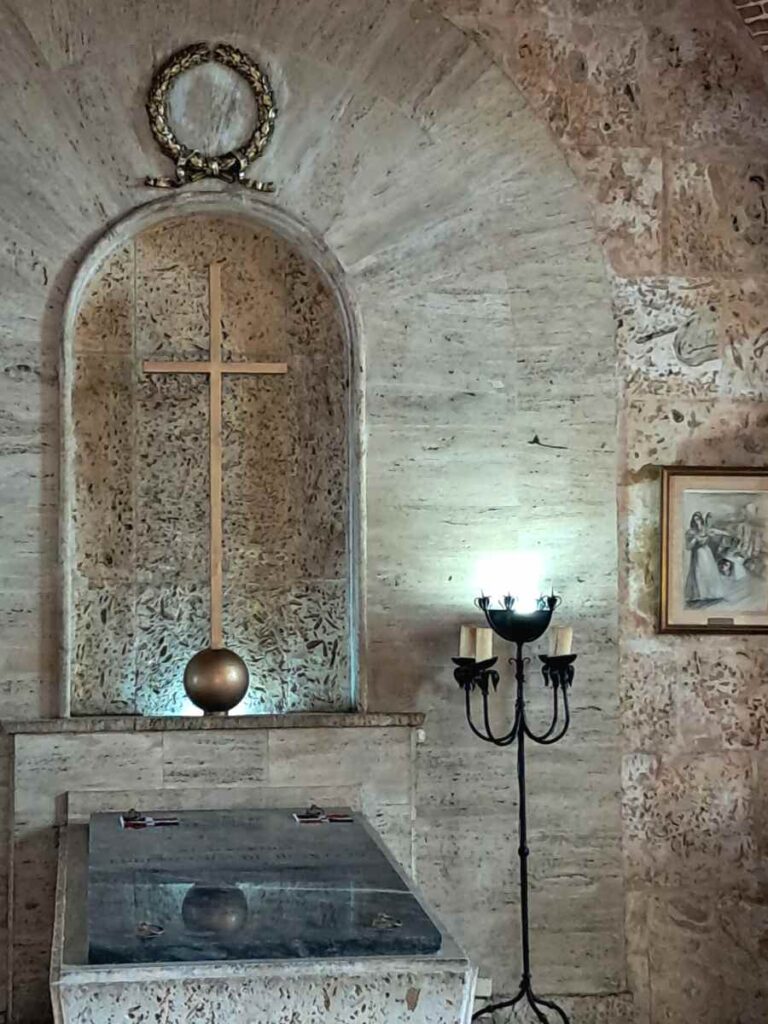
The National Pantheon is the final resting place of the country’s independence heroes and many outstanding figures of Dominican culture, including distinguished writers and politicians. Since 1990, the Pantheon has been part of the UNESCO World Heritage Site.
Calle de Las Damas. Tel. (809) 682-0185. Open: Tuesday–Sunday, 9:00 a.m.–5:00 p.m. Admission is free.
REFERENCE: For those interested in learning more about the years of Trujillo’s political rule… Walk through the small garden beside the Pantheon, and on the left you will find a small historical museum dedicated specifically to that period. It is easy to find. Large photographic posters hang on either side of the entrance. One shows the respectable-looking face of Trujillo himself. The other shows an execution in the electric chair.
The face of the condemned man is frozen in genuine terror. His eyes are wide open, filled with fear and despair… In the museum’s first hall, the very execution device is displayed as an exhibit. Lying on it are the whips and lashes used during interrogations and torture. The remainder of the exhibition consists mainly of photographs documenting this period of Dominican history.
Fundación Testimonio, Calle Isabel la Católica 161-B, not far from Columbus Park. Tel. (809) 688-5340. Open: Monday–Friday, 9:00 a.m.–4:00 p.m. Admission is free.